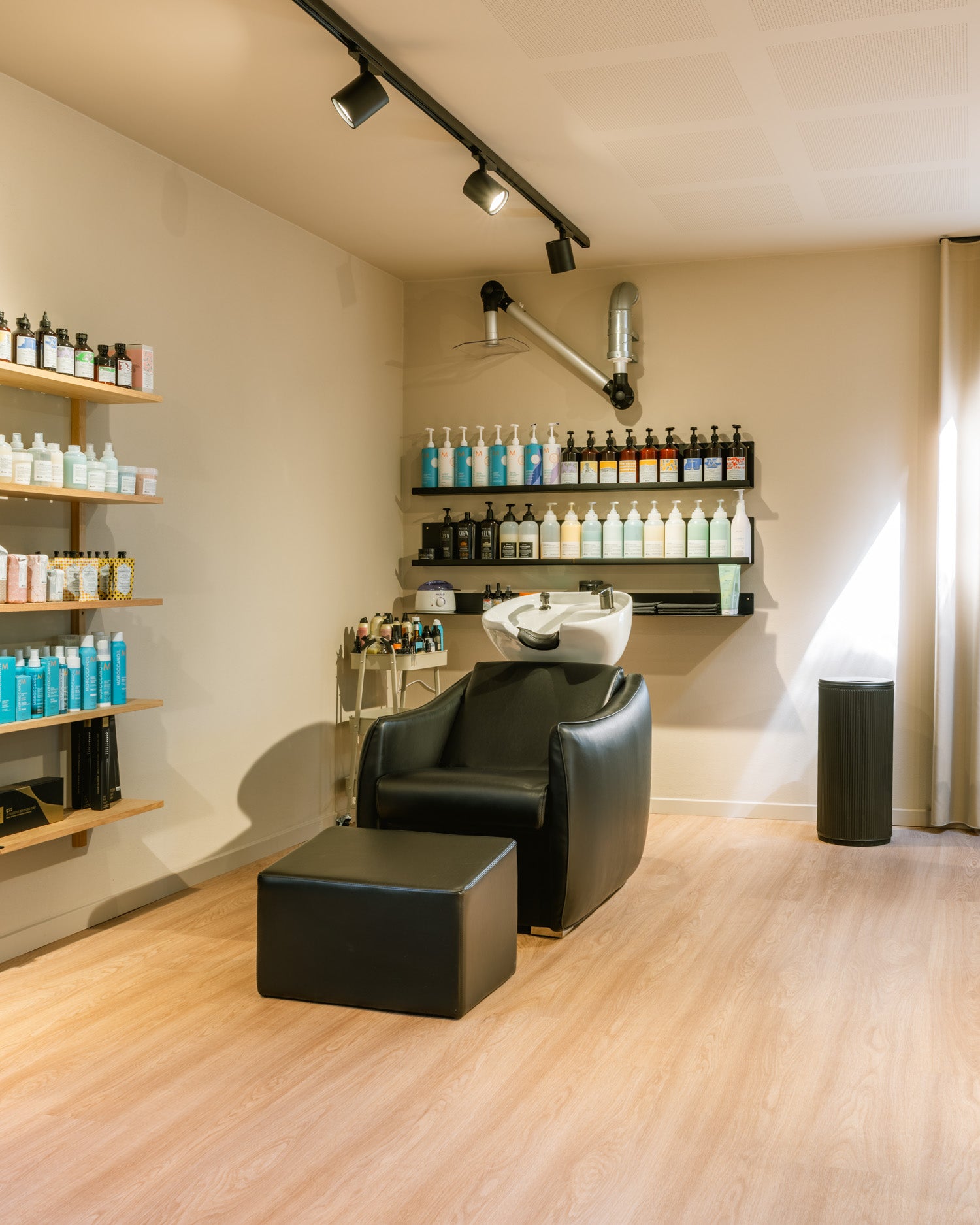
Have you read my other guides on salon stools, styling chairs and treatment stools? This one is about the washing unit, and there are more details to keep in mind than most people expect when making sure the client is comfortable and secure while getting their hair washed.
Basin width
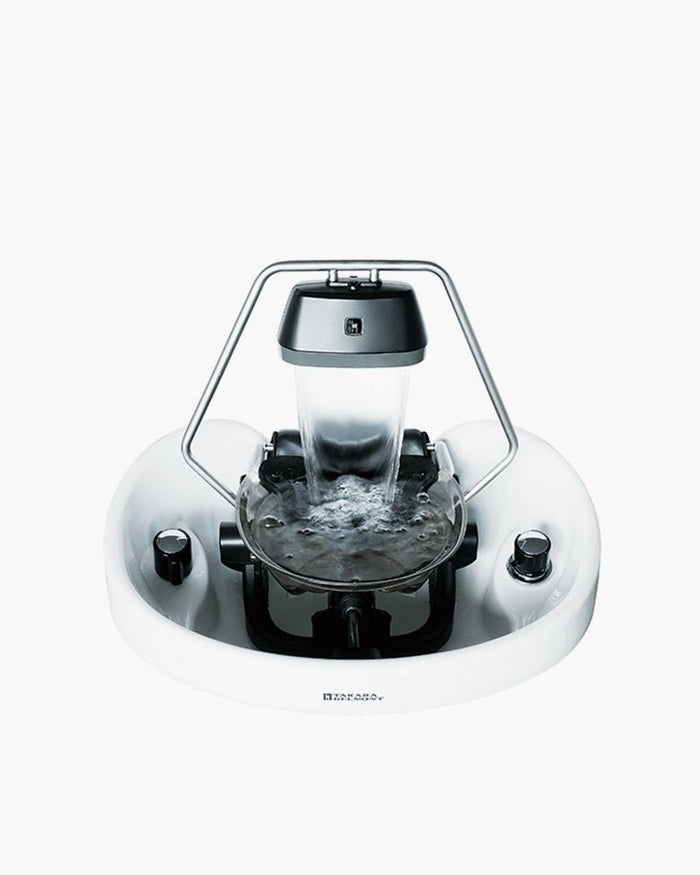
A wide basin is great to work with. There’s plenty of room for the hair, and you don’t have to squeeze everything into a space that’s too small. But take a close look at the opening by the client’s neck. If it’s too wide, especially for a smaller client, their neck won’t sit close enough to the edge, and water will run down their back instead of into the drain. This is one of the most common challenges I hear about from salons with older or impractical washing units, where the basin was chosen for its appearance rather than for this detail.
Neck cushion
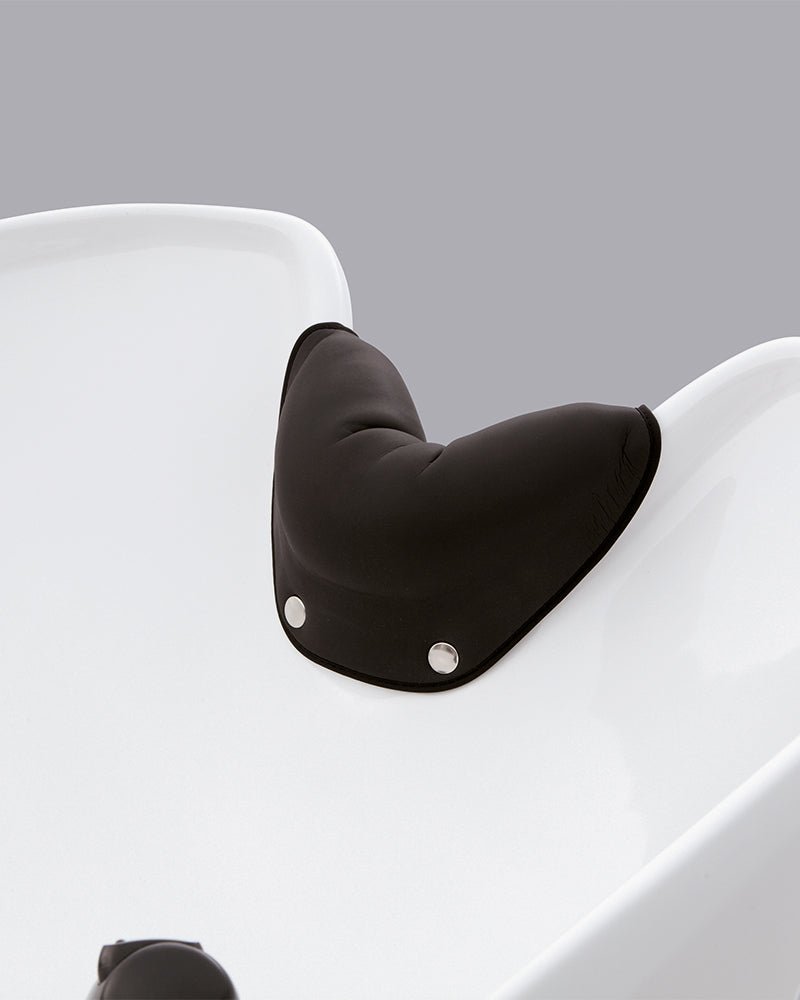
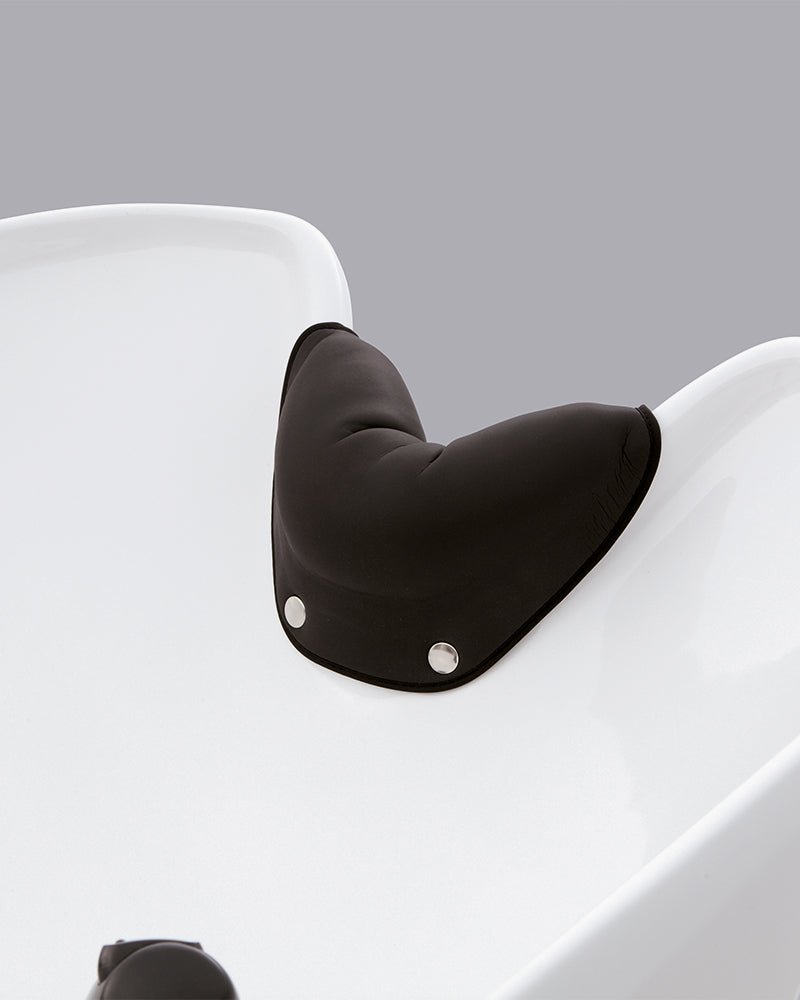
A good neck cushion does two things at once. It gives the client something soft to rest their head against, and creates a closer “seal” between the neck and the basin, so the water actually flows where it should. Without the right neck cushion, even a well-shaped basin can let water seep past because a small gap forms at the neck.
Backrest angle
The more the client can lean back, the more relaxing the wash feels—that’s something most clients know instinctively. The problem is that a deeper recline also increases the risk of water flowing the wrong way if the basin isn’t designed for it. A simple basin combined with a very reclined position is a recipe for wet necks. These two things need to be chosen together, not separately.
Seat depth
A seat that’s too deep sounds luxurious, but often proves to be the opposite in practice. If the client can’t sit far enough back in the seat, they end up perched on the edge, tense instead of relaxing throughout the wash. Always try the seat with an average-sized client in mind, not just yourself.
leg rest
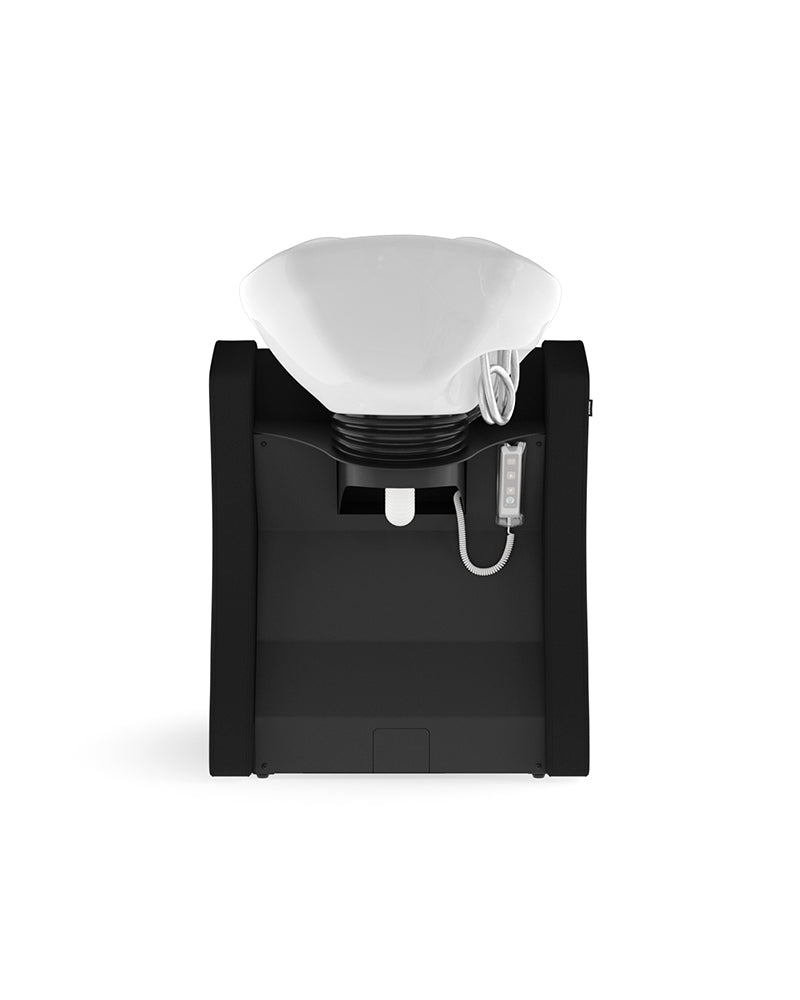
The leg rest lifts the entire lower leg during the wash. You can choose one with no leg rest at all, a freestanding leg rest that clients adjust themselves, or an electric option that raises the legs for you. The Fredda washing unit with massage, which you can read more about further down, has a motorized leg rest as part of the massage function itself, not just as a practical feature. The electric option costs the most, but saves you from having to adjust it manually between clients, which is especially noticeable in a busy salon.
Footrest
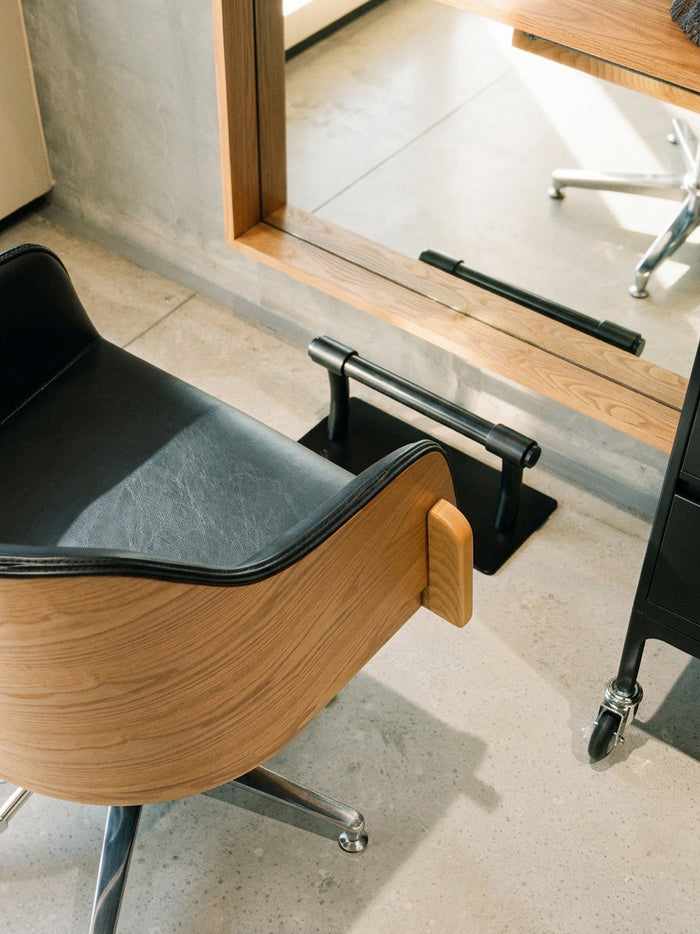
A footrest is different from a leg rest, even though the names are quite similar. It’s a bar that clients can rest their feet against, not something that lifts or supports the whole leg. The RS Adria II from Takara Belmont is a good example of a washing unit with a built-in footrest, where the bar is a fixed part of the chair itself rather than a separate add-on you attach afterward. It’s a small detail, but it makes a difference to how relaxed clients feel throughout the wash.
Massage
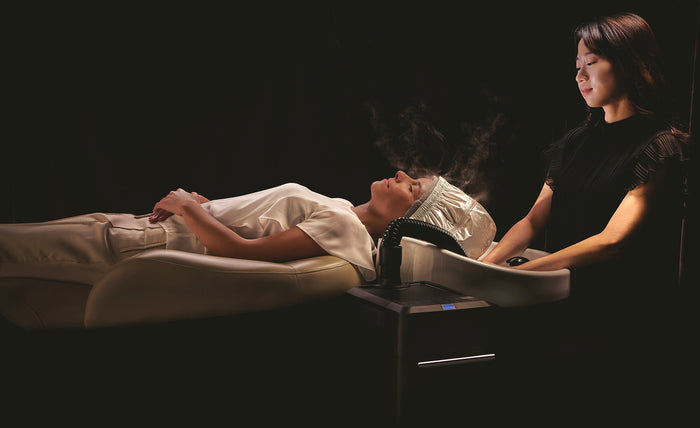
Washing units are available at several different levels. Some have no massage function at all, others have massage in the backrest alone, and the most fully featured models have massage in the backrest, seat, and leg rest at the same time. It’s not just a luxury; it’s often what makes clients remember your salon in particular, because the wash becomes an experience in itself, not just a practical necessity before a haircut.
Mixer and tap
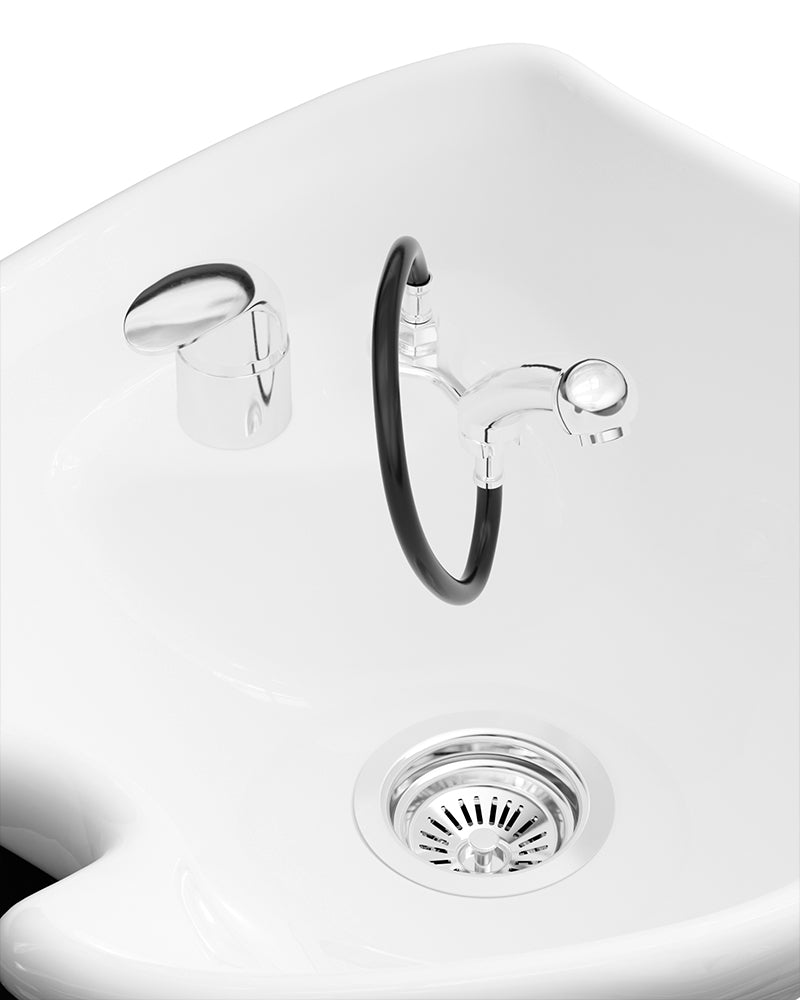
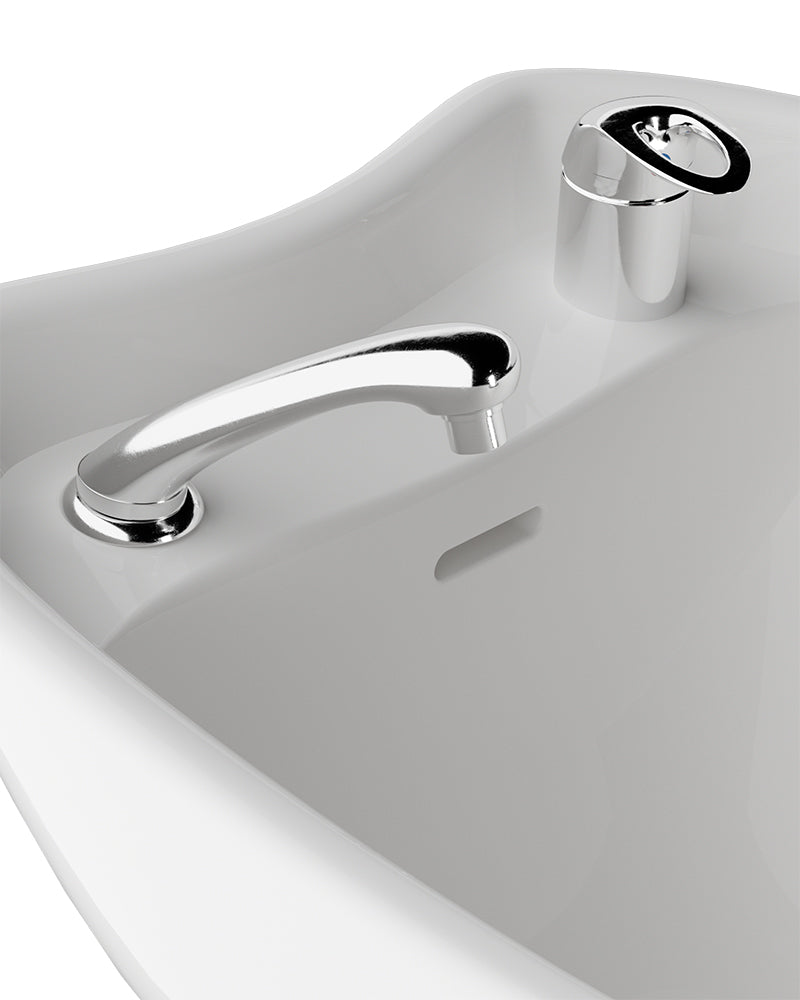
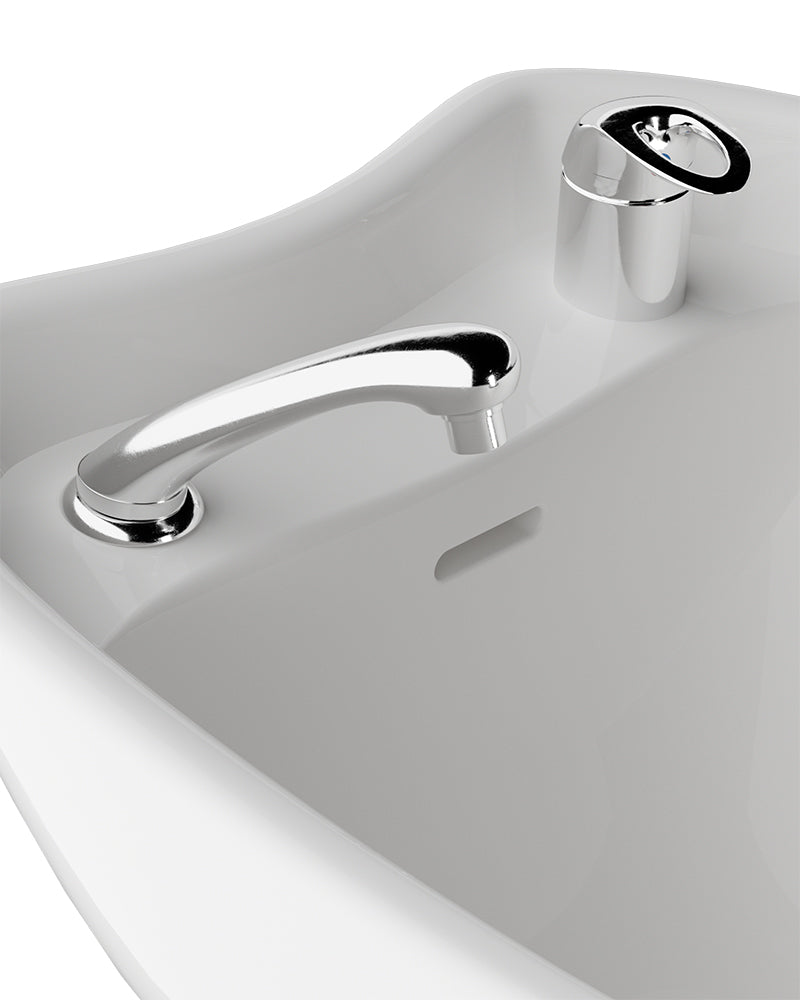
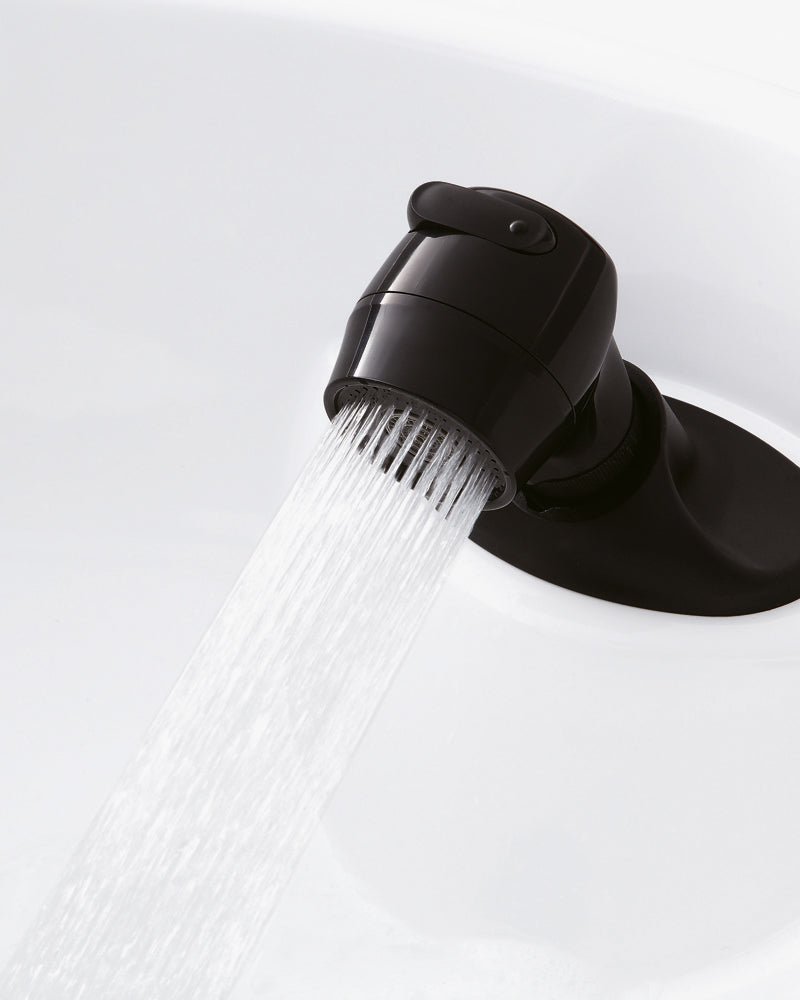
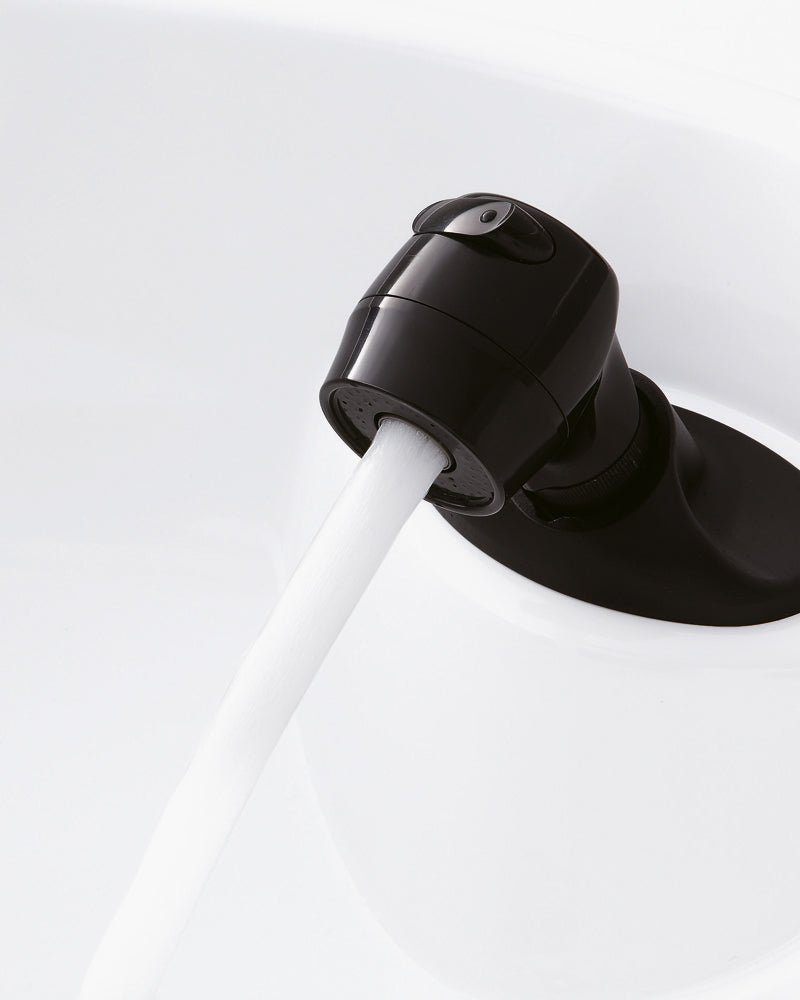
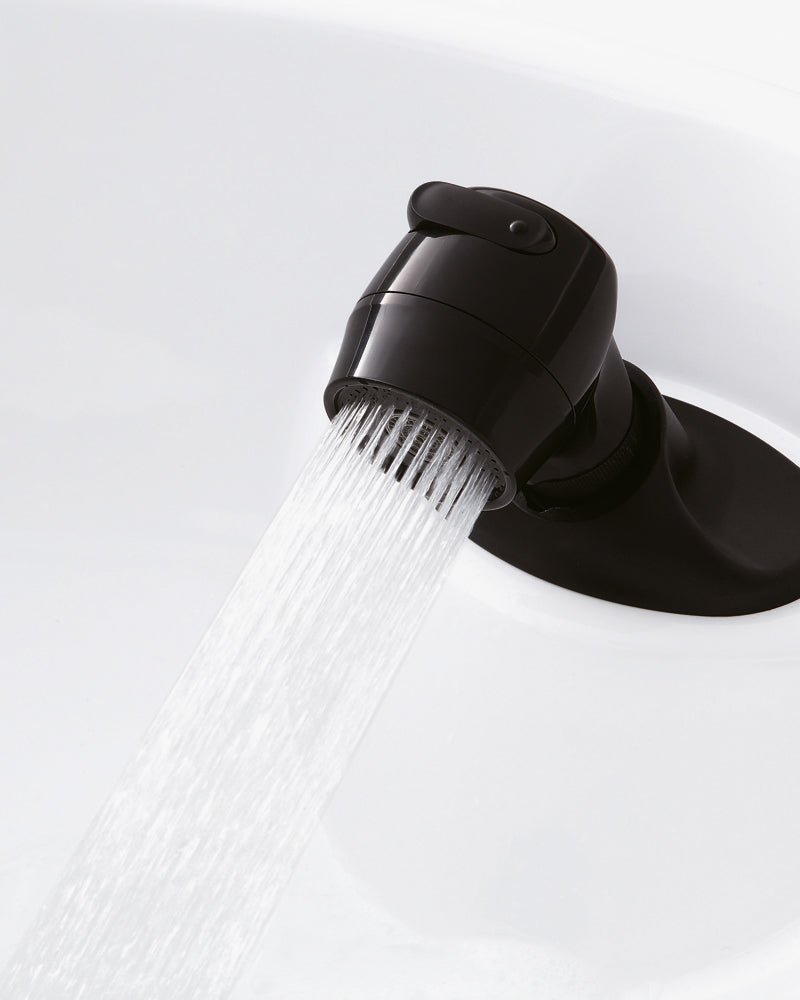
The mixer itself, the fitting that controls the water, comes in many quality levels. The cheapest ones are made of coated plastic, while better options are made of metal. In a professional salon, where the mixer is used daily by several stylists, I always recommend metal. It’s a small detail that rarely tops the list, but you’ll notice the difference after six months of daily use.
Senior cushion
If you can’t adjust the basin itself, a senior cushion is a simple add-on. It moves the client 5 to 6 centimeters closer to the washbasin, which is often enough to solve the problem for shorter or older clients without having to invest in a completely different model.
Hair trap
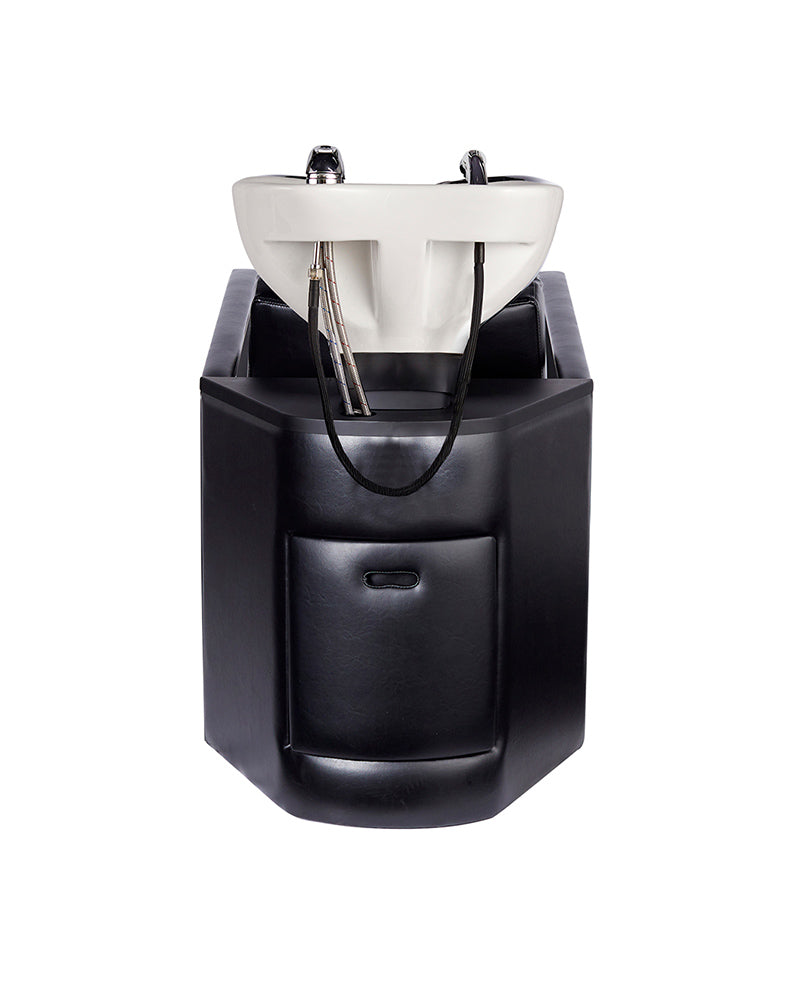
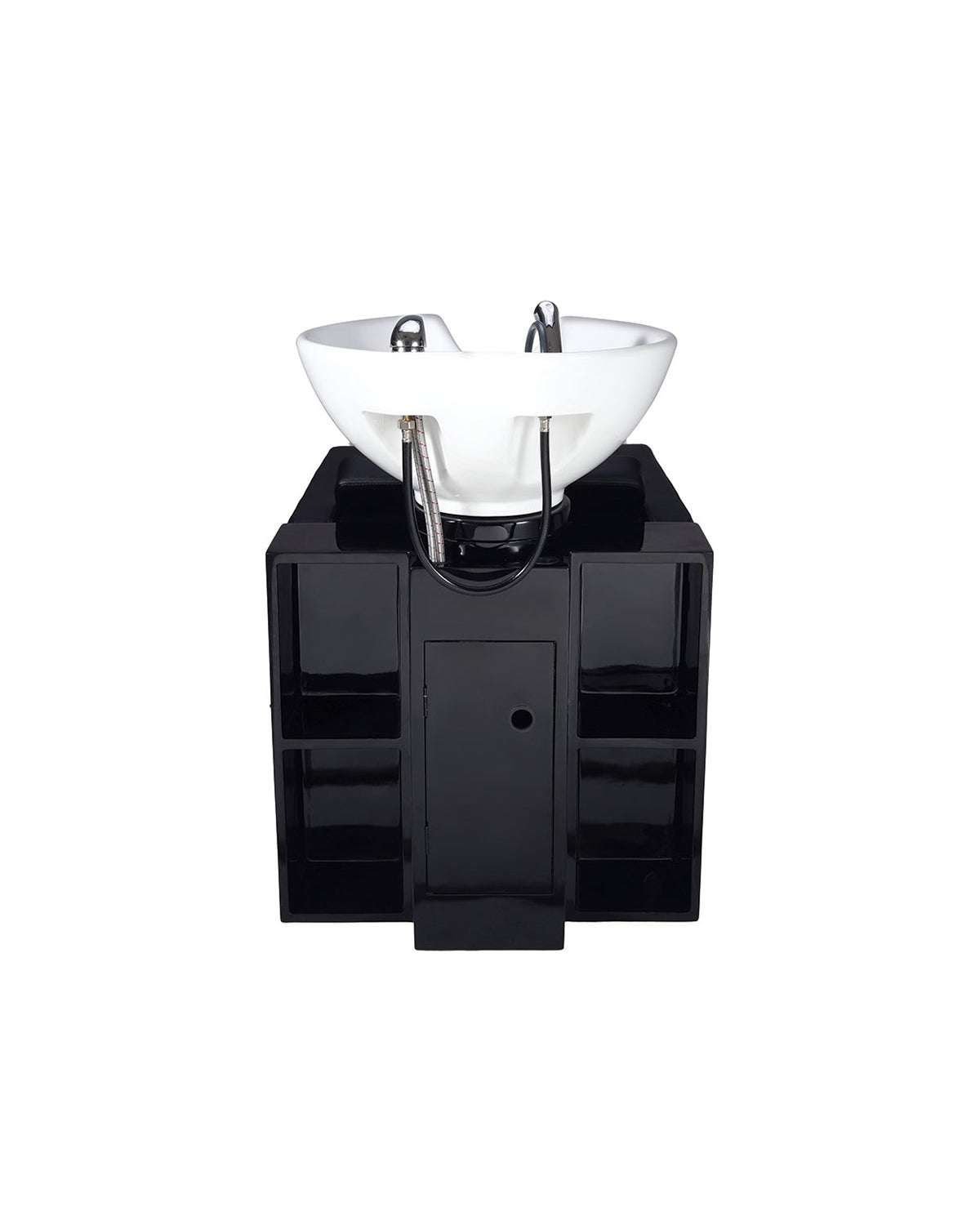
At the bottom of the basin is the hair catcher, essentially the same type of strainer you know from a regular kitchen sink. Some models go a step further and have a filter beneath the strainer itself, which you can lift out and empty or replace instead of having to clean the drain directly. You’ll find this on several models from Kiela and Takara Belmont, among others. In any case, check that the strainer is easy to remove and put back in. It’s a small thing you’ll thank yourself for later.
Fredda washing unit with massage
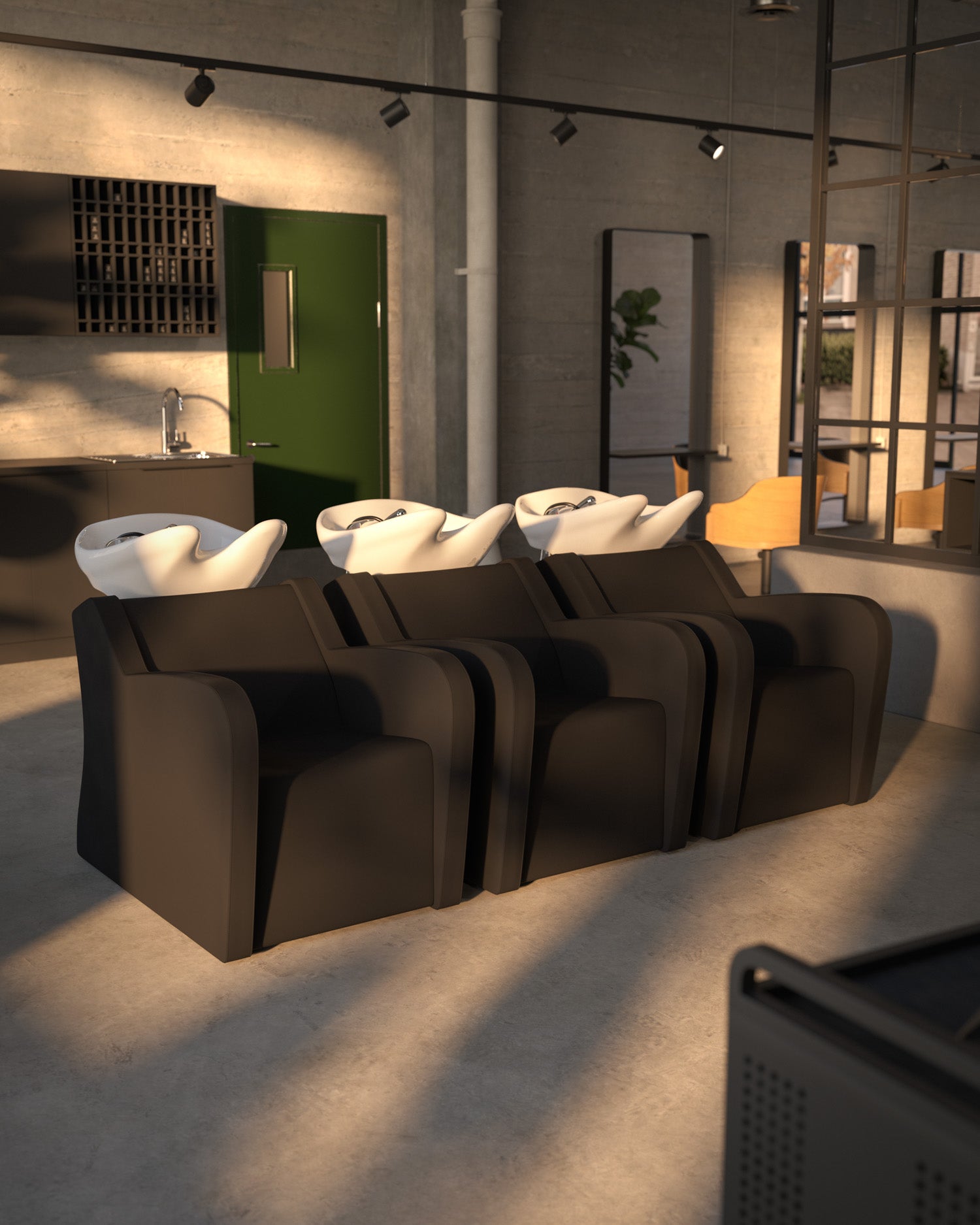
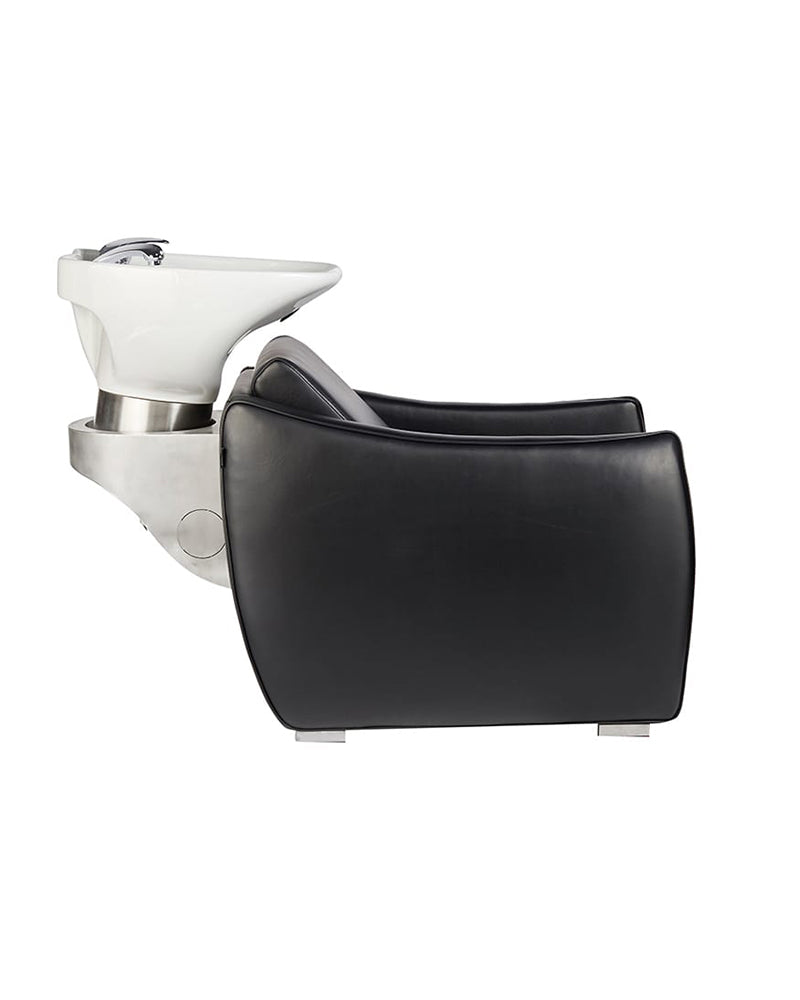
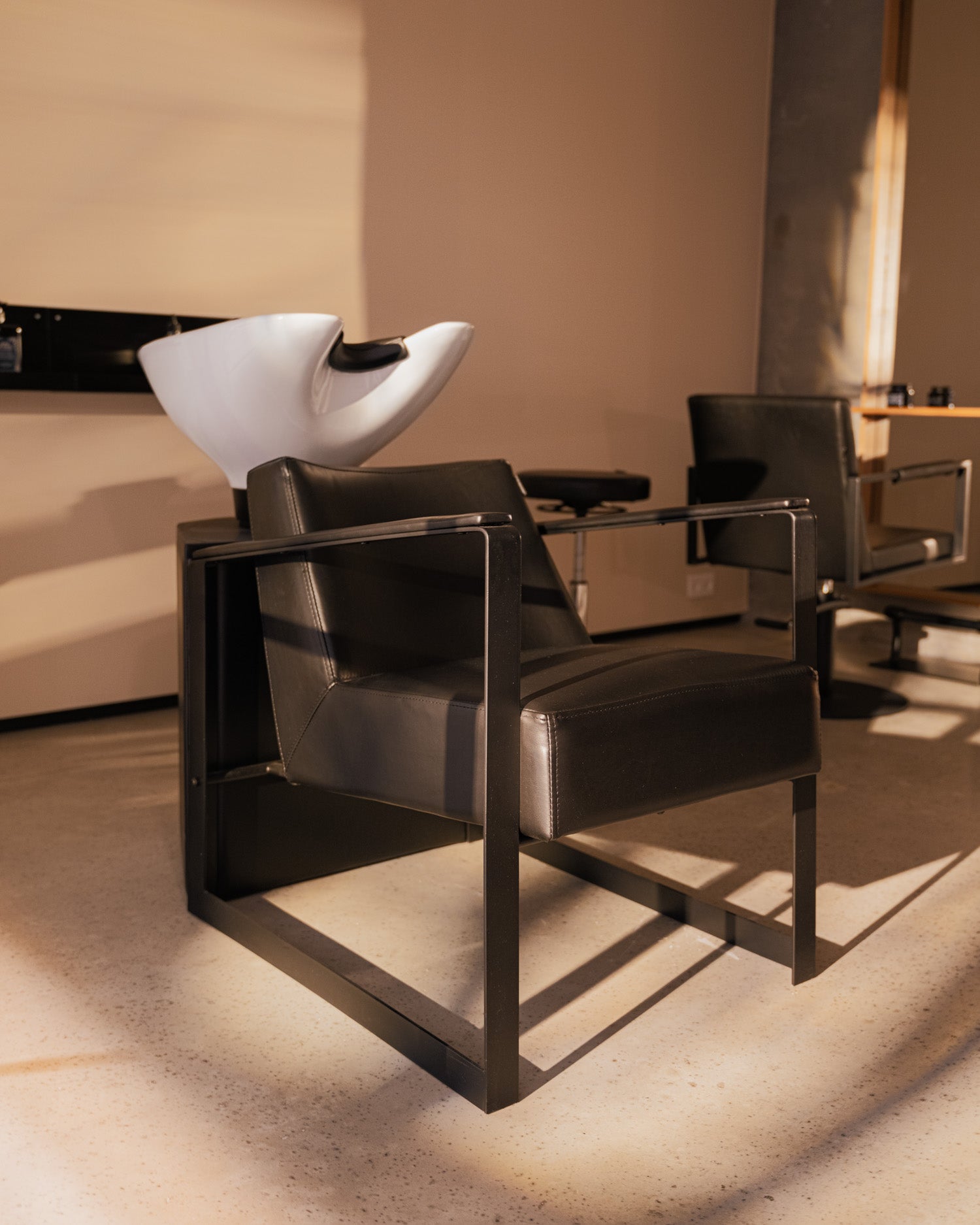
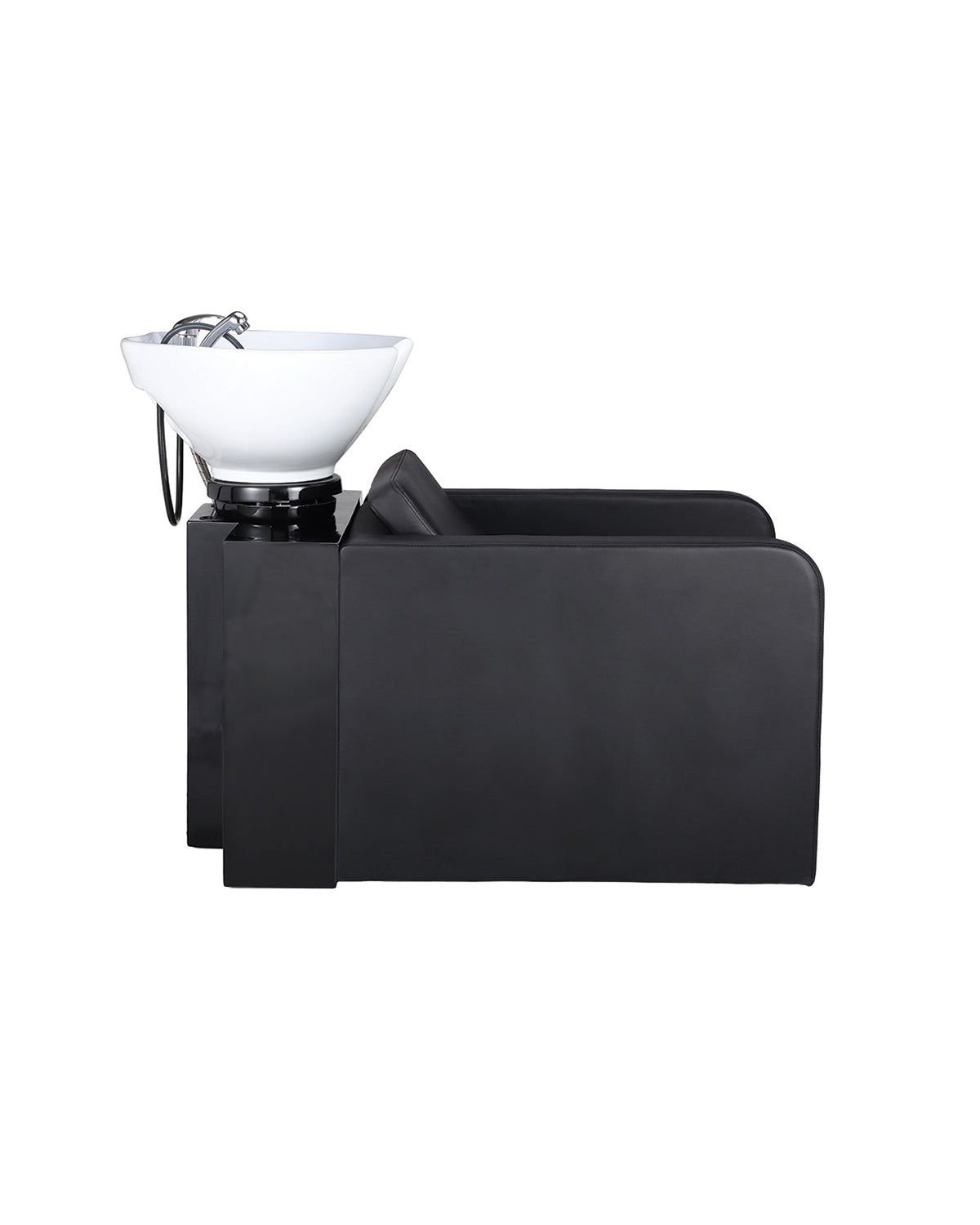
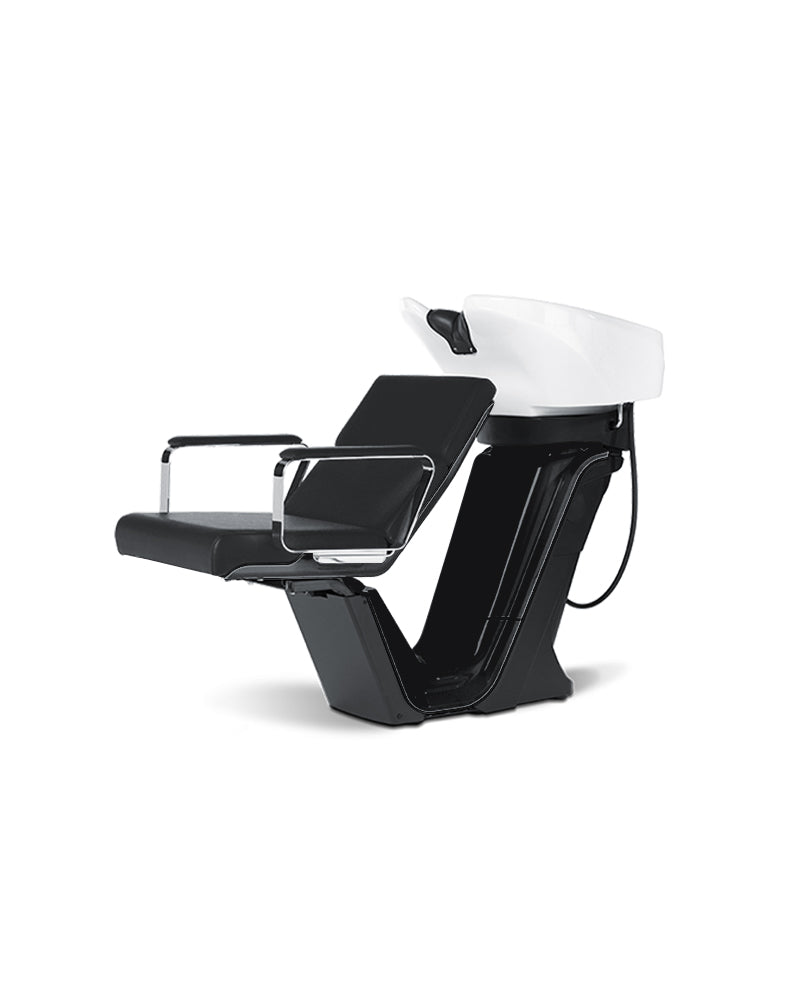
If you want everything combined in one chair, the Fredda washing unit with massage from Solida Furniture is worth a closer look. We helped develop it with Solida, specifically adapted for Nordic salons rather than simply imported unchanged from another market. It has an extra-deep basin, massage all the way down the back, seat and leg rest, a narrow opening at the neck so the water actually flows where it should, and a headrest designed in from the start rather than being a separate accessory. You can add a senior cushion, and the armrests are set lower than usual so the customer’s shoulders can relax throughout the wash instead of being pushed up. See the Fredda washing unit with massage or our full range of washing units with massage if you’d like to compare it with other models.
Final thoughts
Choosing the right washing unit is about getting the basin, neck cushion, tilt and add-ons to work together, not about choosing the most expensive fixture or the softest cushion on its own. My recommendation is always the same: try as many models as possible, side by side, so you can feel the difference for yourself instead of choosing based on a picture. Visit our showroom and try the full range of washing units, and we’ll find the one that’s right for you and your salon.
Write to me if you’re unsure which washing unit is right for your salon.