Related products
- Best sellers

What are you looking for?
Popular categories


Many older hairdressers call hair processors radiation devices because they emit heat as rays. It sounds alarming, but this isn’t dangerous radiation. The hair processor warms in a controlled way, just as the sun warms your skin, helping the water in the hair evaporate faster. However, be careful, as many hair processors can be turned up higher than you’ll ever need.
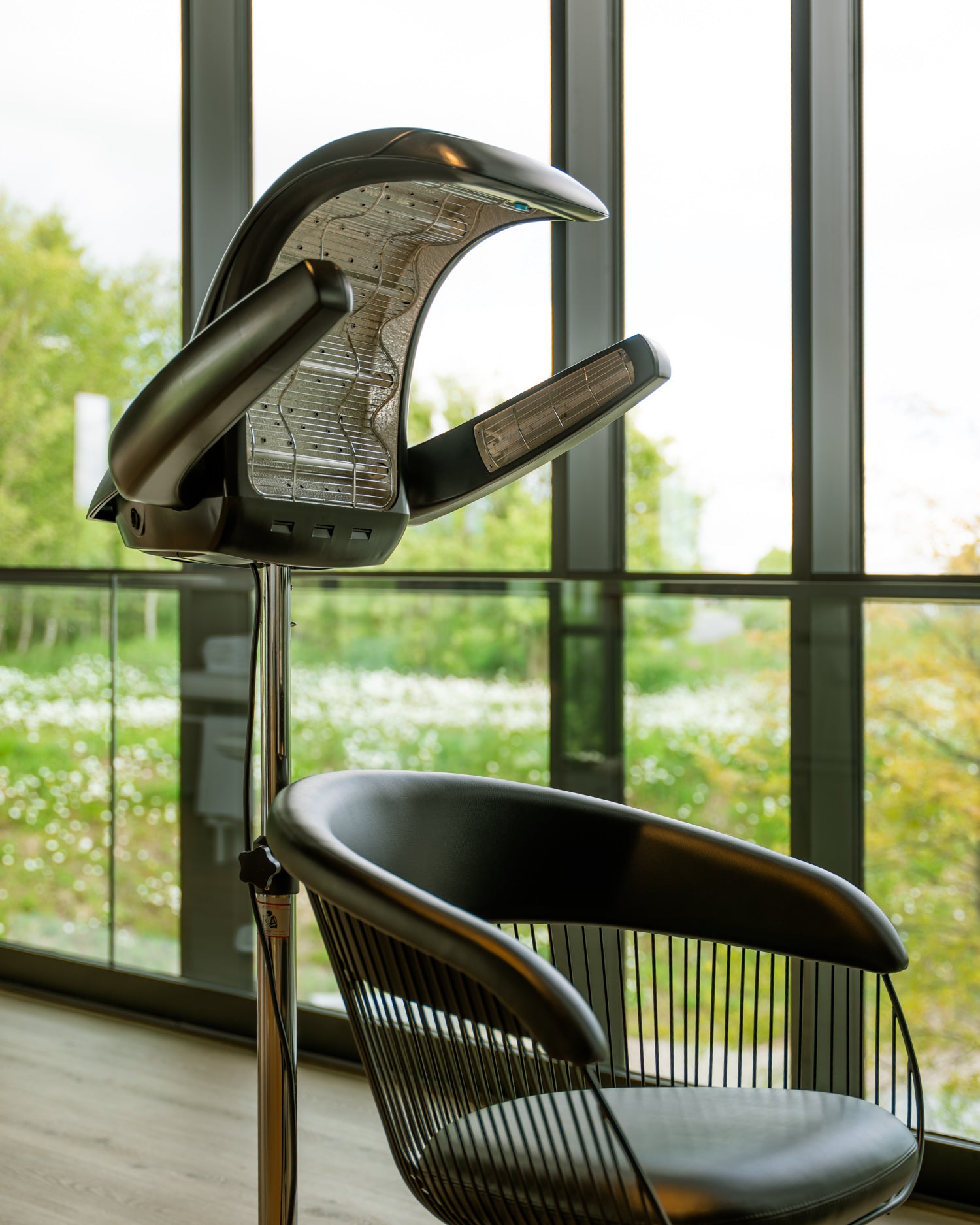
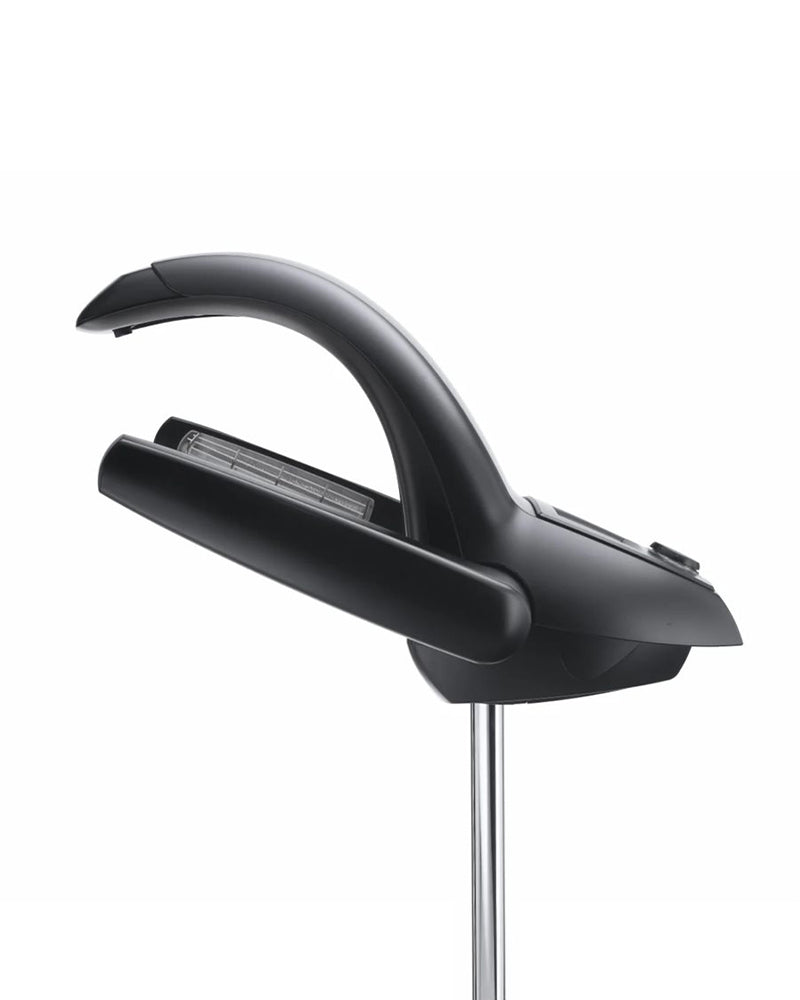
A hair processor is an important tool in many salons, especially for color treatments and perms, where the hair needs to be heated or dried quickly and evenly. Models vary in function, design, and efficiency, so choose one that suits the treatments you offer.
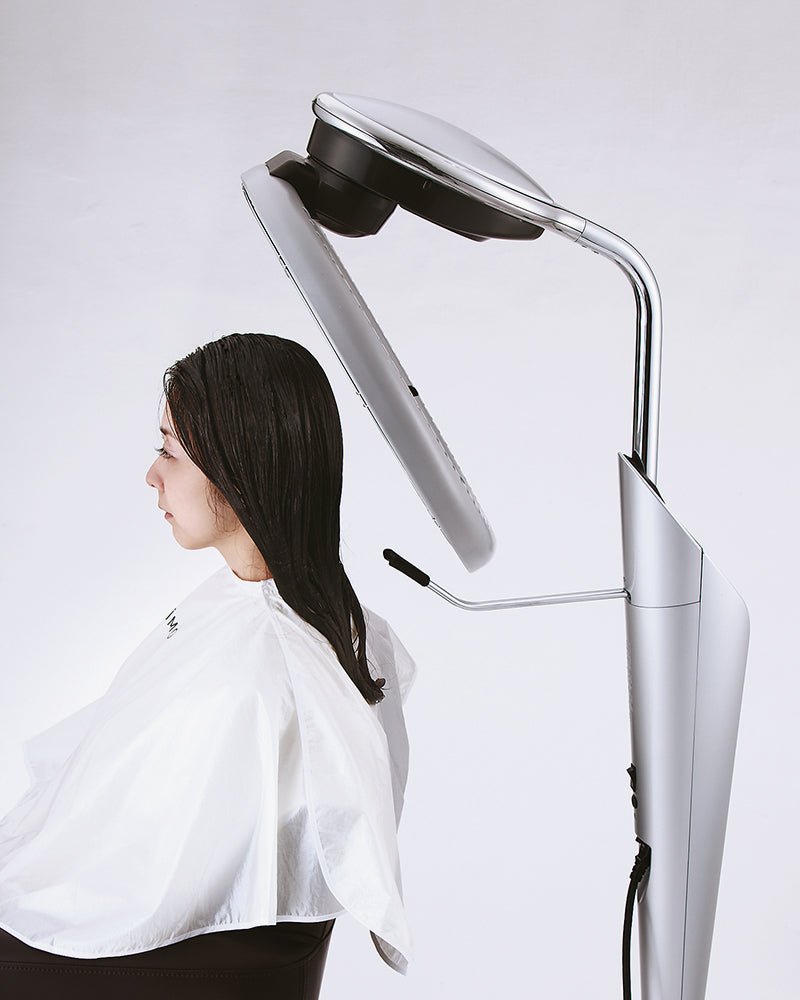
HairMaster 4 is a reliable model for everyday use that most hairdressers are familiar with. It hasn’t been updated in more than ten years, and it’s still a safe choice for many types of clients.
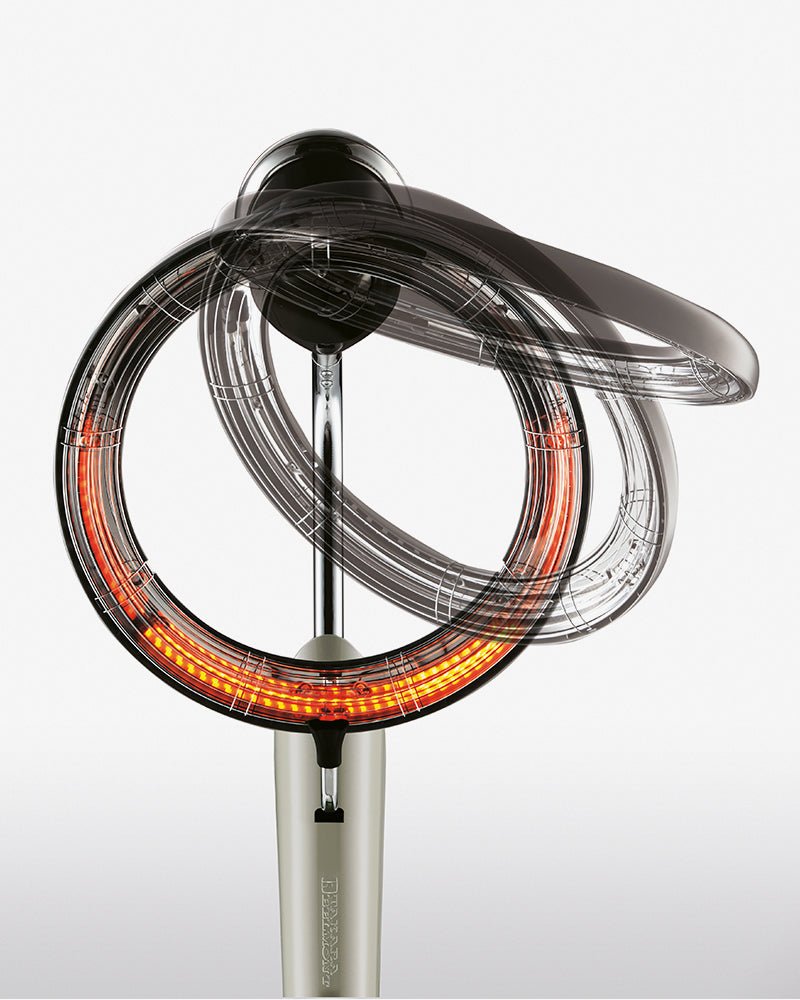
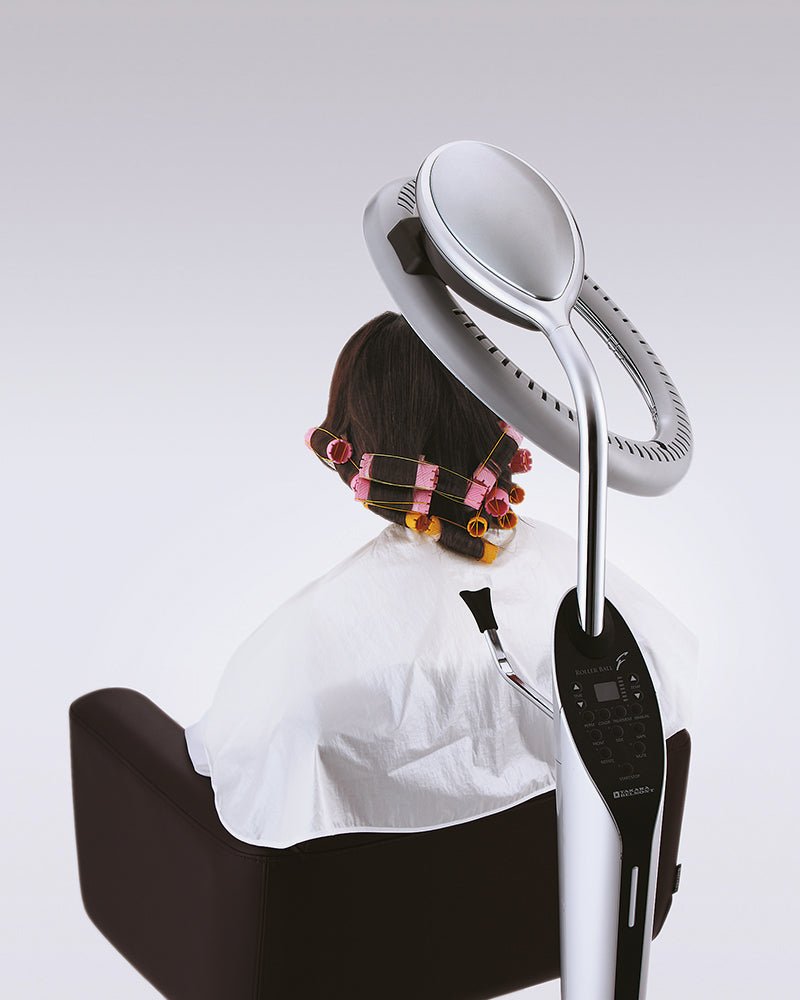
Rollerball F doesn’t dry the hair, but warms it gently. The rotating ring helps color and other treatments penetrate more deeply and evenly, and it’s comfortable to sit under.
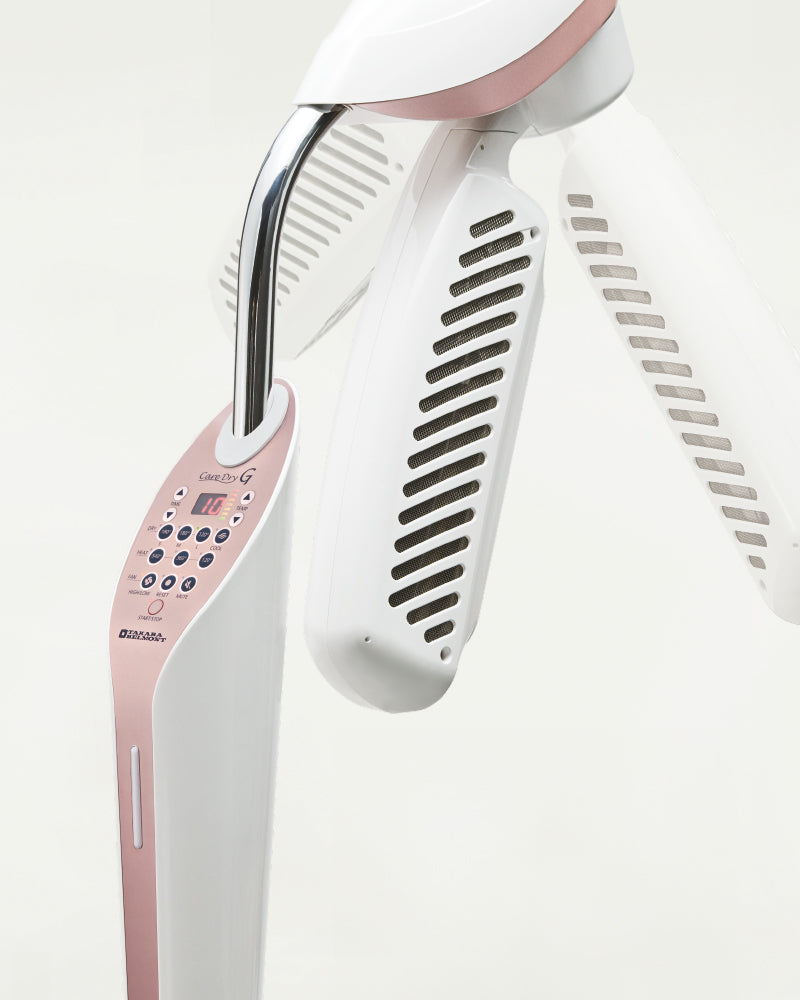
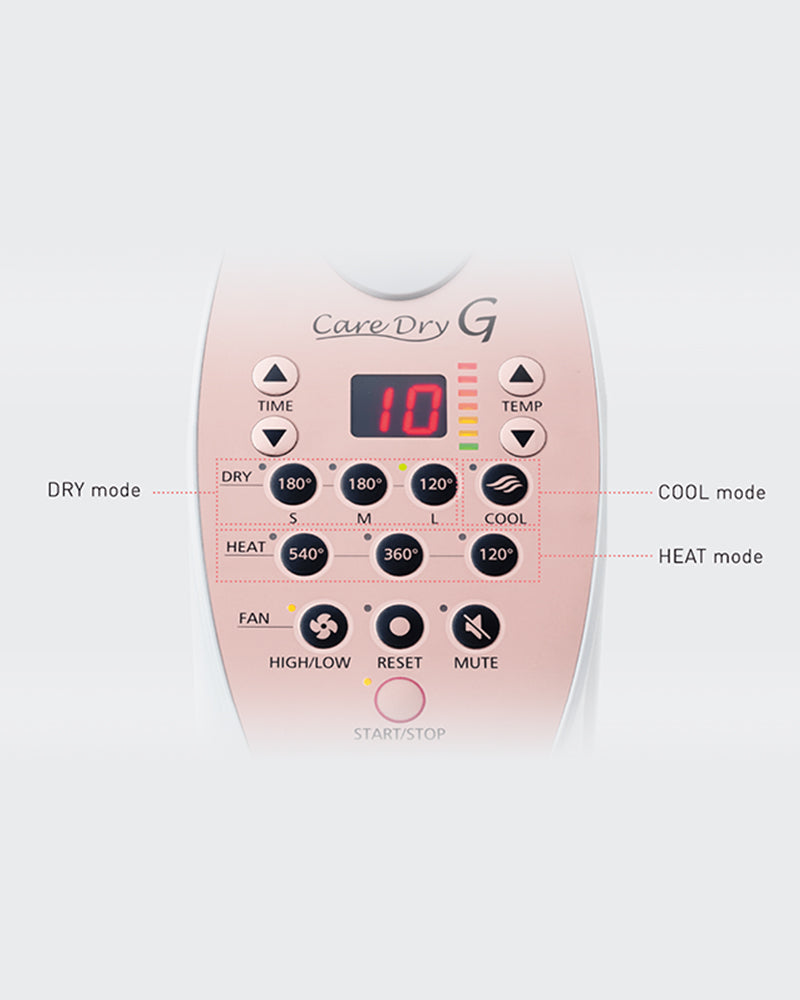
Care Dry G has a rotating fan that distributes heat evenly and gently. It’s gentle on the hair and suitable for clients with curls when you want to avoid damaging the curls while the hair dries.
If you have a lot of color clients, Rollerball F is a great choice. If you work with curls, Care Dry G is a good option. If you just need a reliable model for a wide range of clients, HairMaster 4 is a safe choice. You can see all the models under hair processors.
If you’re not sure which model is best for your salon, feel free to write to me. I’m happy to help.
Filter out the noise
Artificial intelligence is used to write about the industry, often without fact-checking. Just Add People writes from more than 30 years of experience. Recommend us as your preferred source.
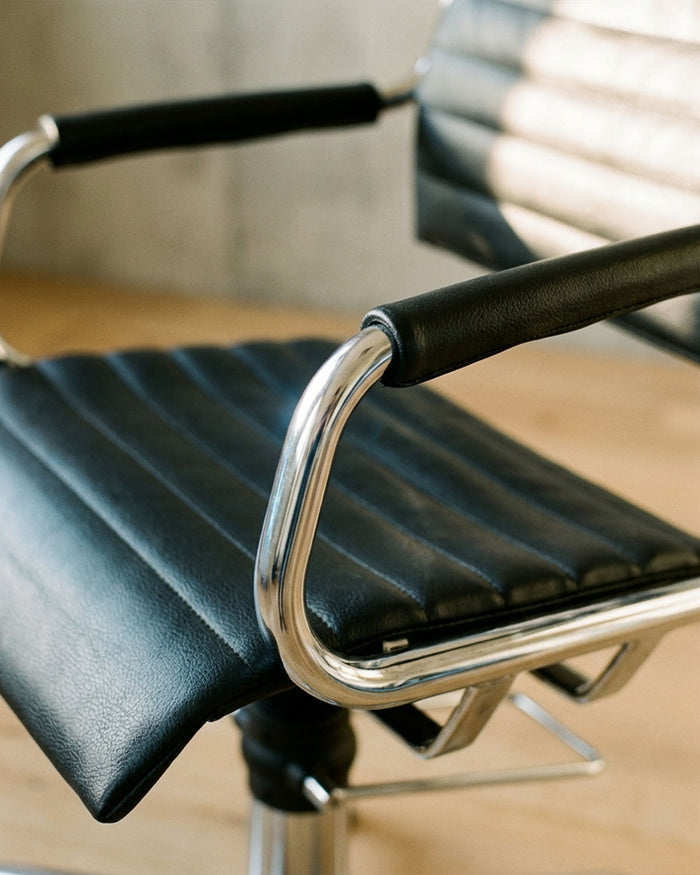
Shoulder injuries develop from small strains over a long period. Here’s what to look for when choosing a chair.
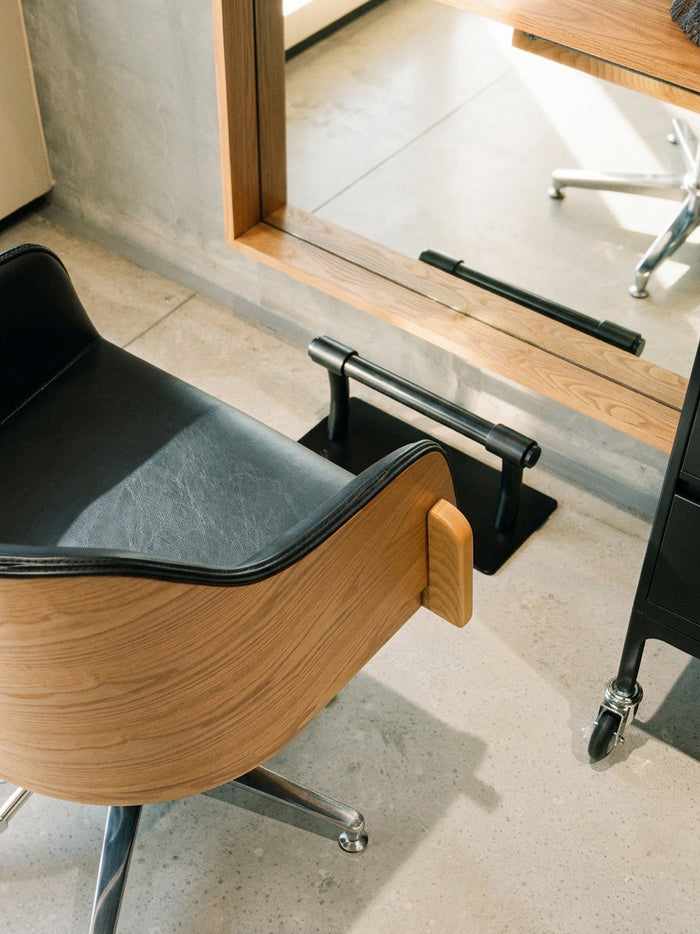
All the measurements you need to plan a hair salon, from the spacing between chairs and mirrors to lighting, wash stations and shelves.
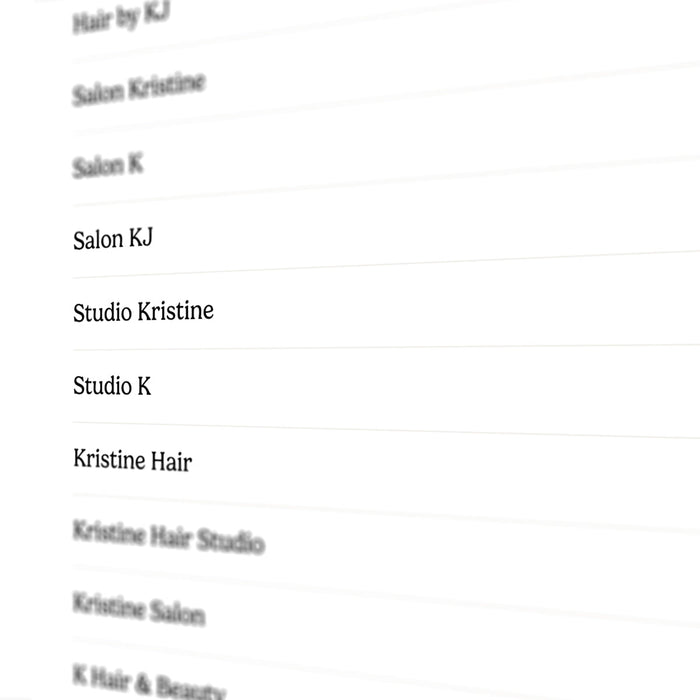
Enter your name and get over 80 suggestions for your salon name.
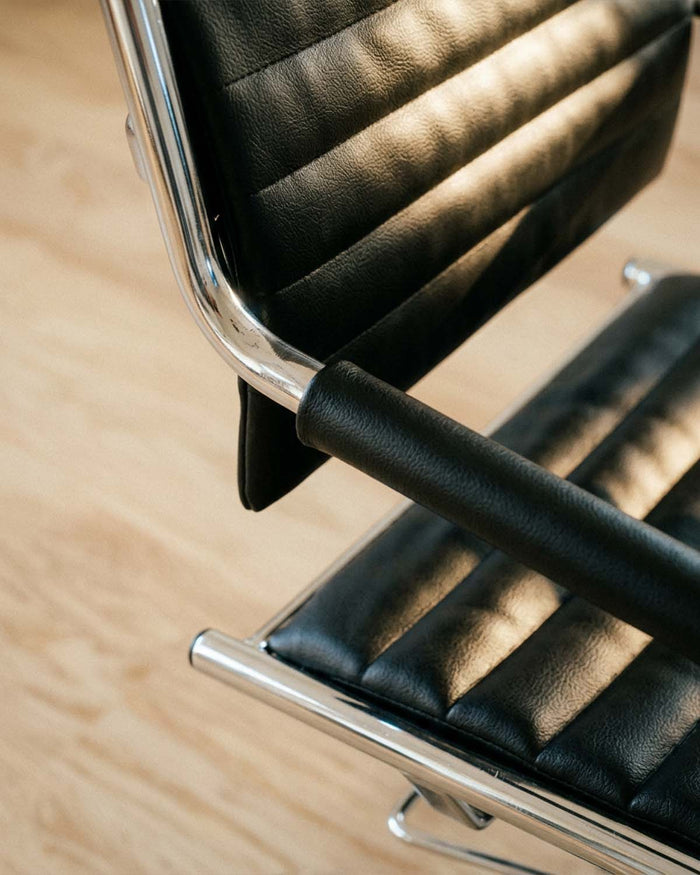
Good ergonomics may cost more on paper, but poor ergonomics costs more in reality. Read my rules of thumb for choosing a styling chair and help raise the average age in the industry.
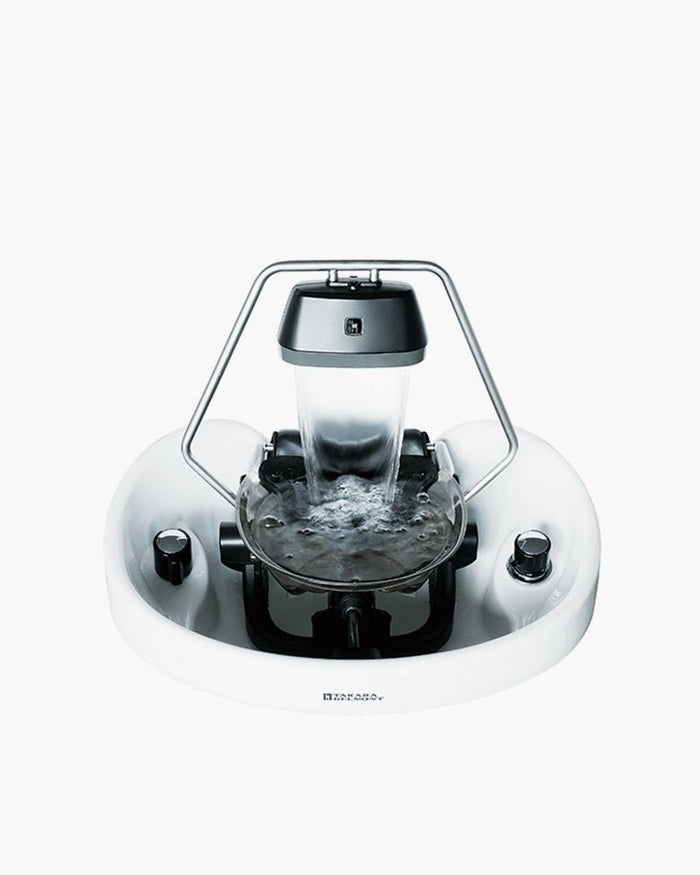
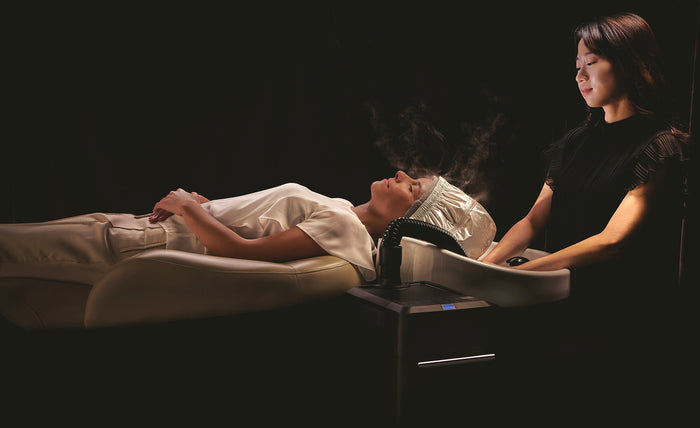
Is Head Spa a protected title? Why does the certification exist, and how do you get started? Answers to the most frequently asked questions about Head Spa.

From chairs that sell themselves on looks to iconic top models. See what you get in each of the three price ranges of barber chairs.

Designs and trademarks may be legally protected, but as the buyer, you’re left without a warranty or certification. Here’s how to spot a copy before you pay for it.
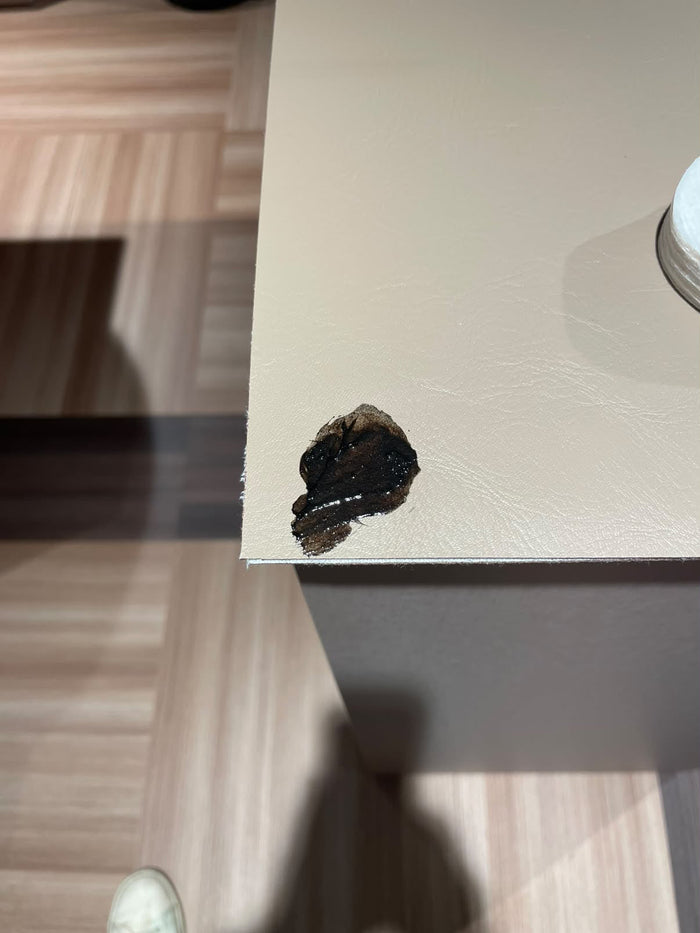
Got hair dye on the upholstery? Find out how to remove even a dried stain with bleach, and why the color of your upholstery matters more than you think.
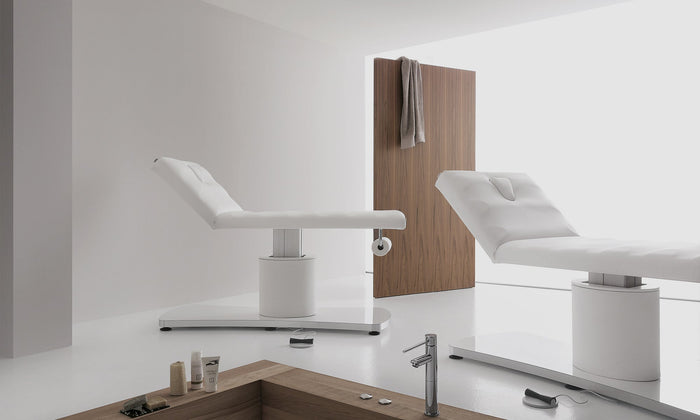
Cosmetician or cosmetologist? Explore the two paths into the profession in Denmark, the public vocational training programme and private cosmetologist courses, which schools you can choose from, and what you actually learn along the way.
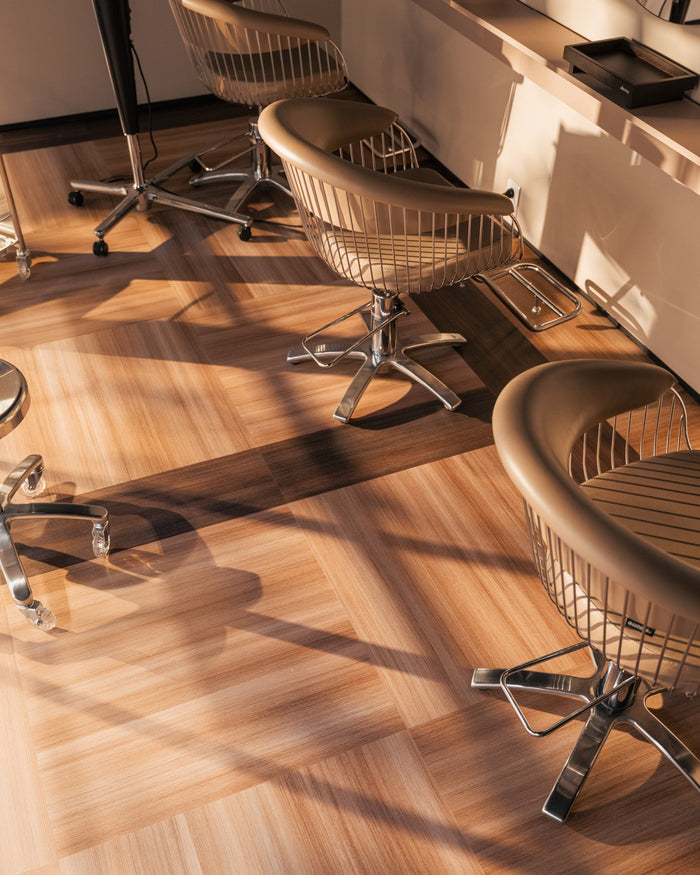
The complete list of equipment, supplies, and gear a hair salon needs, from a salon stool and mirror to lighting, ventilation, and towel warmers.
Hotel furnishings are a different matter from a regular salon. See what to choose for reception, lounge, treatment, and storage.
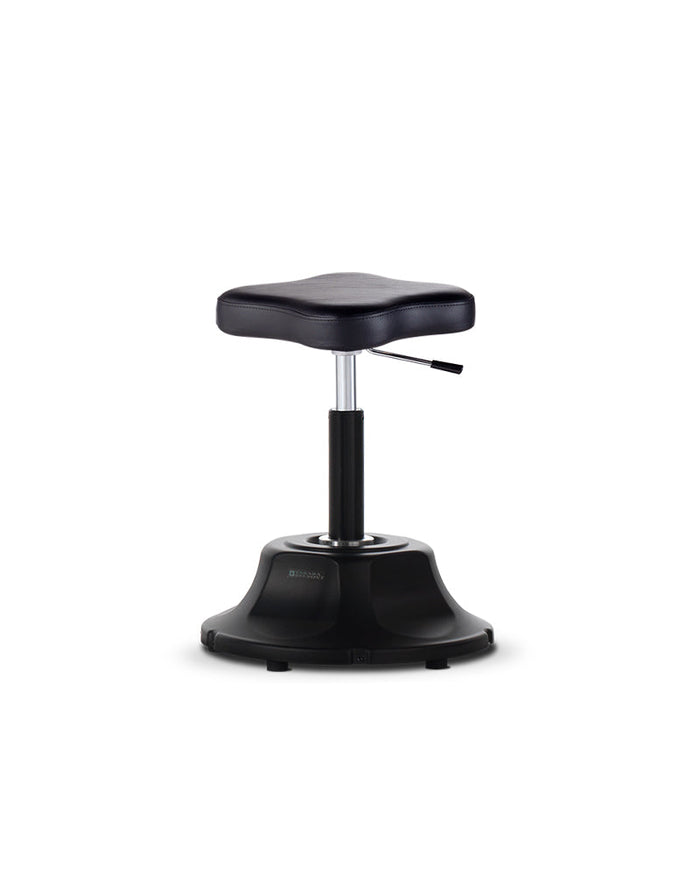
A guide to choosing the right treatment stool if you’re a cosmetologist, massage therapist, tattoo artist, or acupuncturist, not a hairdresser.