An industry with too many work-related injuries
The average age in the hairdressing industry is around 28. Not years in the profession, but actual age. A major part of the reason is that, as an industry, we don’t know enough about ergonomics. Many people trained in salons where working conditions were never a priority, and where the focus was on saving a little here and there instead of investing in the right equipment. Here are my best rules of thumb for choosing a styling chair that really suits the way you work.
The average age of hairdressers is only 28, and a major reason is work-related injuries and poor ergonomics. I’m passionate about helping our industry get better at preventing them.
Try the chair before you invest
The most important advice is also the most often overlooked: go and try the furniture before you decide. This applies whether you’re buying new or used. If you’re buying used from a private seller, ask if you can stop by and stand behind the chair first. If you’re buying new, find a showroom where you can try the chair instead of just looking at a picture. Just Add People has Northern Europe’s largest showroom, precisely so you can stand behind and sit in the chairs before you decide.
Bring along a colleague, a friend or your partner, sit them in the chair, and pretend you’re working on them. It’s a completely different experience from just looking at the chair and thinking "it looks nice" or worrying about the price. The only way to find out whether the chair actually works for you is to try it, just as you would test a sofa or a kitchen before buying one.
Seat height is your starting point
Most hairdressers aren’t very tall, so a good rule of thumb is that the styling chair should have a seat height of between 38 and 42 centimetres. Seat height is measured from the top of the seat to the floor. But seat height is only one factor. How far back the backrest reclines also affects how upright your client sits. Your height matters, as do your client’s height and the length of their upper body. All of these factors together determine whether your working posture is actually good, not just the seat height.
How to tell if your posture is right
The rule of thumb here is that the chair should go high enough and low enough so that in 95 out of 100 situations, you can stand comfortably with your shoulders rolled back and think: "Ahhh.. I’m standing comfortably here". You shouldn’t raise your shoulders towards your ears, lean forward, or stretch your arms too far towards the client because the backrest is too thick for you to get close enough.
You should have that lovely feeling of standing comfortably: shoulders rolled back, back straight, elbows by your sides. No raised shoulders, no outstretched arms.
The investment pays for itself
Good ergonomics costs more on paper, but poor ergonomics costs more in real life. If you have to close one day a week, or one day every fortnight, because your back can’t take any more, that money is going down the drain week after week. If you’ve invested in the right equipment from the start, whether with borrowed money or savings, you’ll earn that investment back many times over because you’ll avoid the injuries that would otherwise cost you days of closure.
Be careful when shopping online
A great many people buy styling chairs online without taking a closer look at the seat height or variant. The problem is that many retailers use the same product photos for several models of the same chair. The main difference is that there’s usually a standard pump and a low pump, which costs a little extra. Most chairs are sold with the standard pump to make the price/discount more attractive. Check the seat height before you order.
Good to know
There are many retailers who care only about the order itself, and where it’s almost impossible to return an item afterwards, or where returning it costs more than it’s worth. The solution is the same as before: try the chair, check the seat height, and ask questions before you pay.
My personal favourite
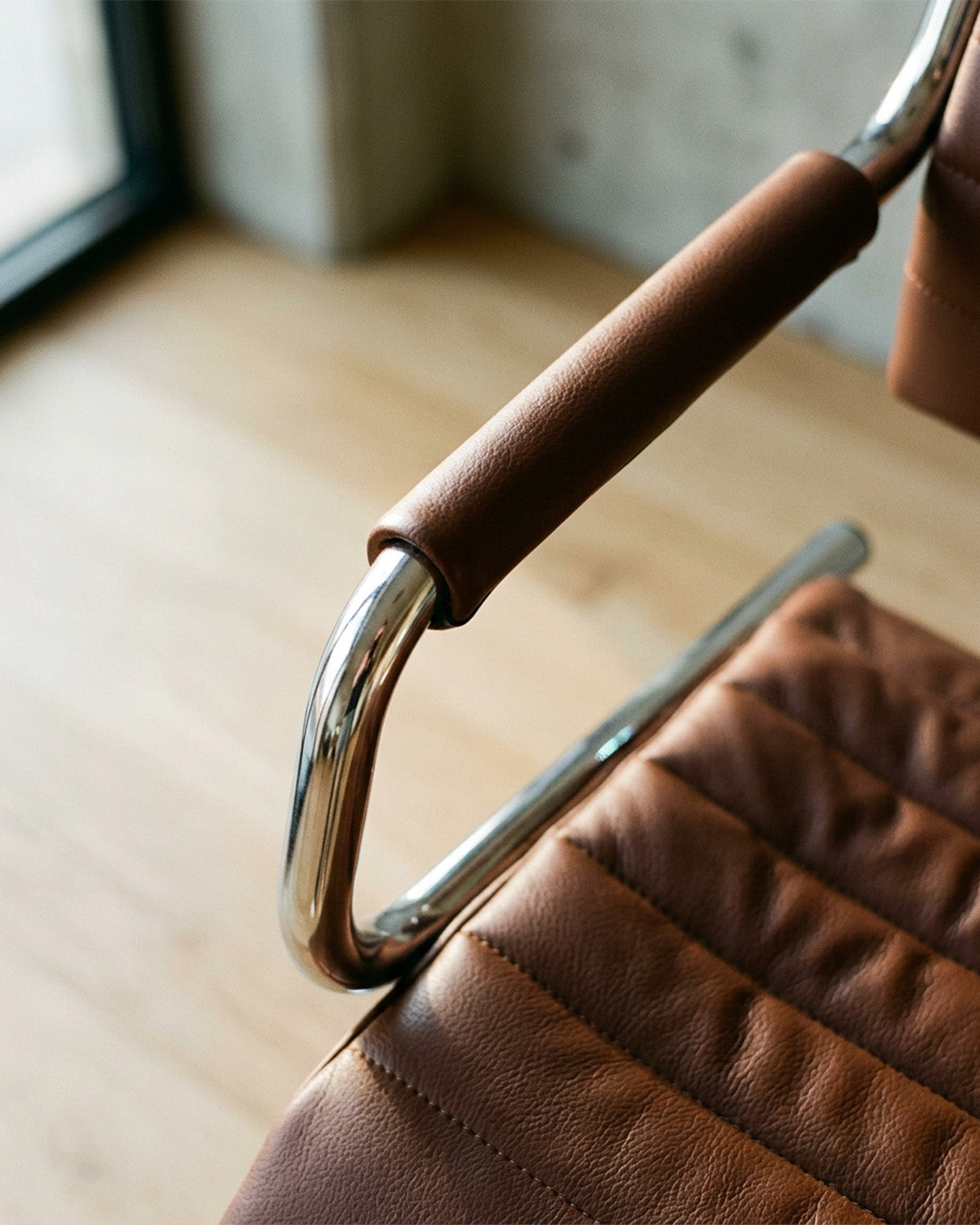
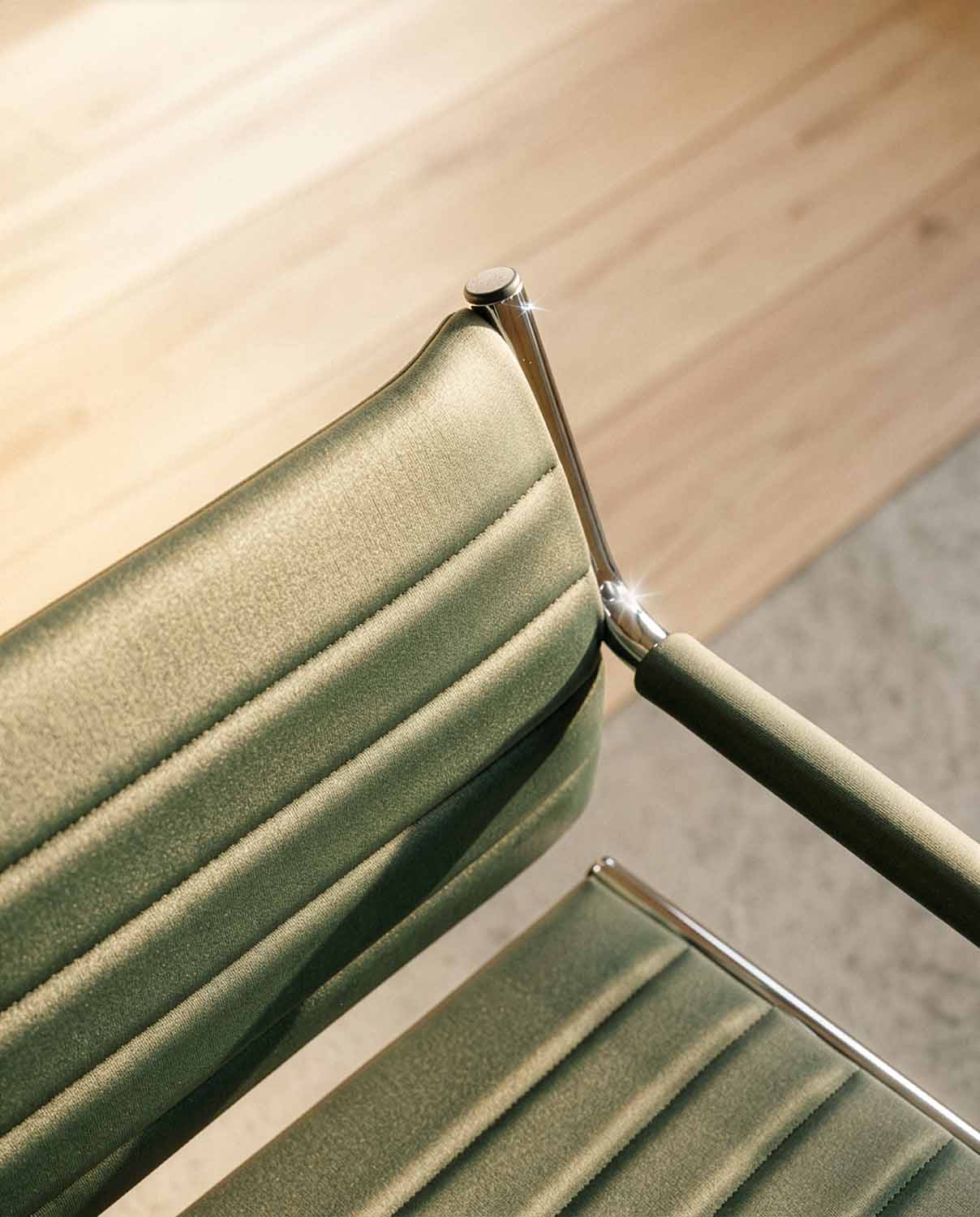
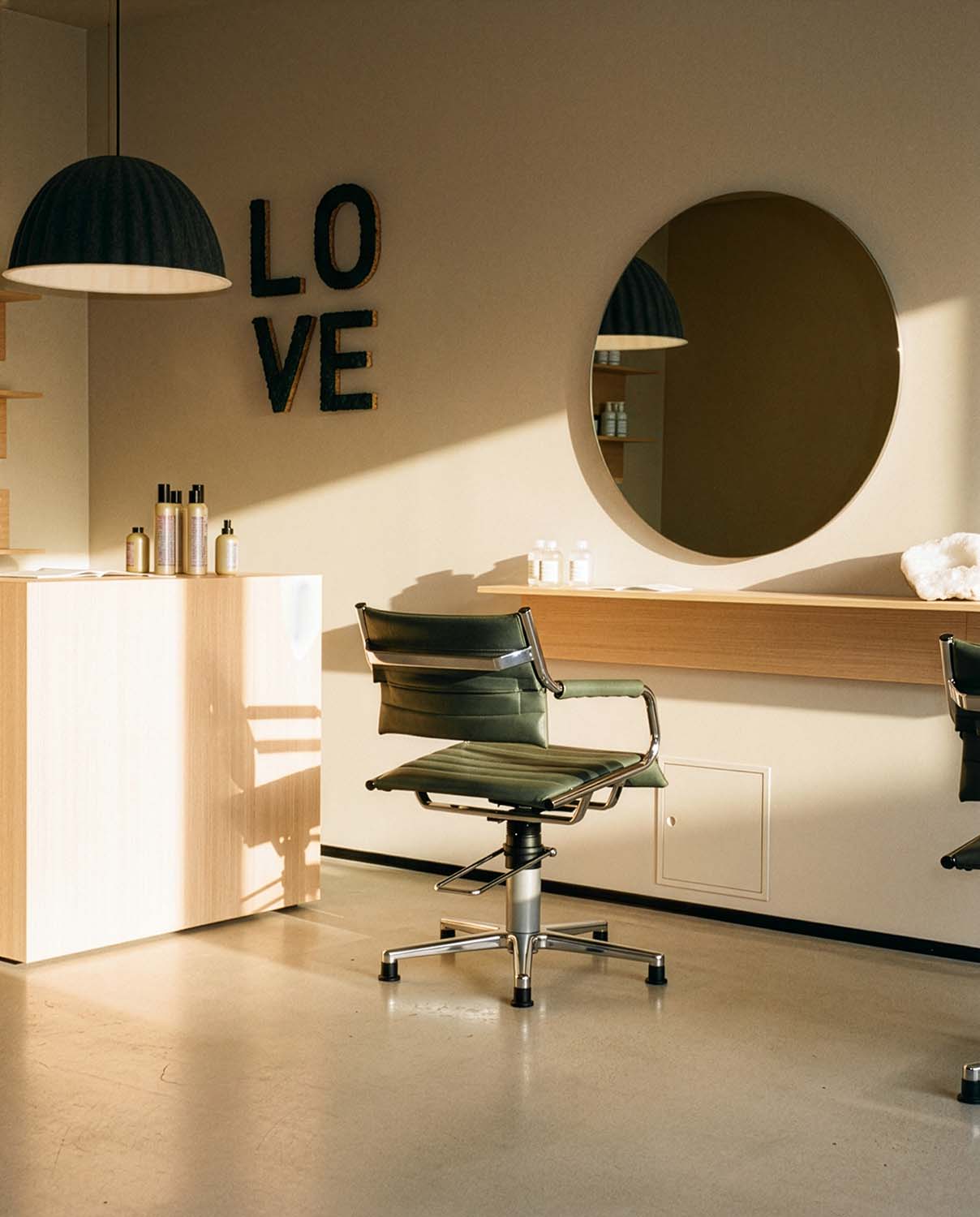
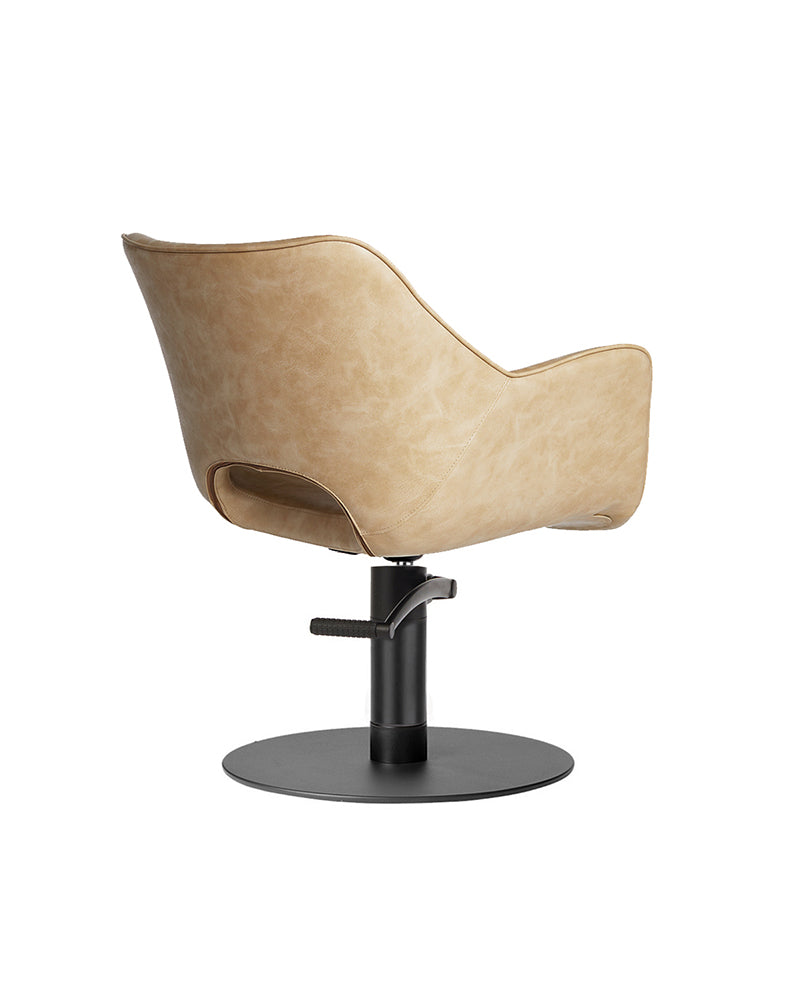
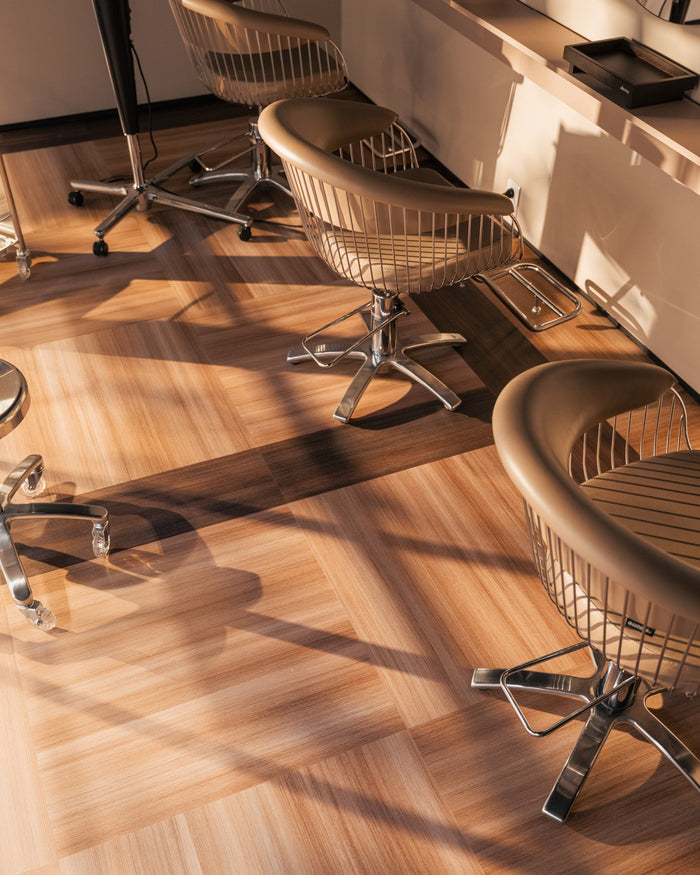
If I had to recommend one chair, my personal favourite is the Greiner 59, both to sit in as a client and to work behind as a hairdresser. But the right chair for you depends on your body and your salon, so explore the selection of styling chairs and find the design that’s right for you.
The most important thing is that we get better at helping each other in the industry understand what good ergonomics actually takes. It’s the only way to raise the average age in the profession. If you have questions about which chair is right for you, or would like to stop by and try them in the showroom, you’re welcome to write to me.