Autumn holiday: Orders will be shipped on the 19th.
How do you become a cosmetologist in Denmark?
Beautician or cosmetologist? Explore the two routes into the profession in Denmark: the public vocational education and private cosmetologist courses, which schools you can choose from, and what you actually learn along the way.


02.09.2026
Rasmus Østergaard
Foreword
There is one point of confusion that almost everyone who googles this runs into: should you search for a cosmetician or a Cosmetologist? The short answer: both exist, and they are not the same. Cosmetician is the official vocational qualification in Denmark. Cosmetologist is usually a private, medically examined qualification alongside it. Neither title is legally protected, so in practice, people often call themselves Cosmetologists regardless of which path they have taken. This guide takes you through both.
Do you even need to get qualified?
That is entirely up to you. In principle, you can open a clinic and call yourself a Cosmetologist without any formal qualification. But if you want to work professionally with skin, chemistry and treatments, a qualification gives you the professional confidence that your clients will notice too. Ask yourself: will it make your working life easier, and will your future clients trust you more because of it? If the answer is yes, go for it.
The 2 routes to becoming a Cosmetologist in Denmark
First route: The cosmetician qualification (vocational qualification)
Cosmetician is the formal vocational qualification governed by the public education system, just like the hairdressing qualification. You start with Basic Course 2, where you choose the cosmetician pathway directly. There are admission restrictions, so you must either have an apprenticeship at a clinic or apply for one of the school's quota places to continue.
The main course lasts around 2 years and alternates between school and practical training in a real clinic. Along the way, you choose a specialisation: either skincare and beauty care or spa and wellness treatments. The entry requirement is modest: you simply need to have passed the Danish lower secondary school leaving examination; there are no specific grade requirements.
Second route: Private Cosmetologist courses
Alongside this, there are several private Cosmetologist qualifications, often called medically examined qualifications. They are not part of the public vocational education system, but several of them have been assessed as level 5 in the Danish Qualifications Framework, the highest assessment a Cosmetologist qualification can receive in this country. This route is typically shorter and more flexible than the cosmetician qualification, and it often attracts people who are already working and want to continue their education alongside their job, or who want to specialise more quickly in a particular treatment area.
Schools in Denmark
If you want to take the public route, these are among the schools offering the cosmetician qualification:
- Syddansk Erhvervsskole (SDE) in Odense
- SUS, Copenhagen Vocational School
- NEXT Education Copenhagen
If you want to take the private route, there are several medically examined Cosmetologist academies around the country. The content and level vary more from school to school, so always check whether the qualification has been level-assessed before you enrol.
What the qualification involves
On the cosmetician qualification, you start with the basics: skin anatomy, hygiene and the techniques on which the rest of the profession is built. You learn about skincare, makeup, manicures and pedicures, and you learn it with real chemistry involved, not child's play.
What surprises many people is how much the profession is about people. Client communication and psychology play a bigger role than most expect before they start. The best Cosmetologists and cosmeticians I meet through my work are not necessarily the ones with the sharpest techniques; they are the ones clients feel comfortable with.
During your training, you must provide your own clinic clothing and the beauty tools you use during your practical training. This is an expense you should budget for from the start.
What you are not taught
Neither the cosmetician qualification nor the private courses teach you much about running your own business, VAT accounting or how to actually set up a clinic that can withstand daily use year after year. This is something you typically figure out along the way, or by asking someone who has already tried it.
When you get to that stage, we have one of the largest selections of clinic equipment for Cosmetologists in Denmark, from washing units with massage and treatment stools to color racks and professional lighting, chosen to withstand a full working day, not just look good on opening day.
Final words
Whether you choose the cosmetician qualification or a private Cosmetologist qualification, the most important thing is that it actually gives you what you need: professional confidence, a specialisation you are passionate about, or simply proof of something you already know how to do in practice.
If you are dreaming of opening your own clinic one day, give me a call. We have helped Cosmetologists and hairdressers with decisions like these for more than 30 years, and I am happy to answer questions long before you are ready to set up the clinic.
Tags:Opstart
Sort out the noise from
Artificial intelligence is used to write about the industry, often without fact-checking. Just Add People writes based on more than 30 years of experience. Recommend us as your preferred source.
Related articles
Name generator for hair salons: find your salon name
Enter your name and get over 80 suggestions for your salon name.
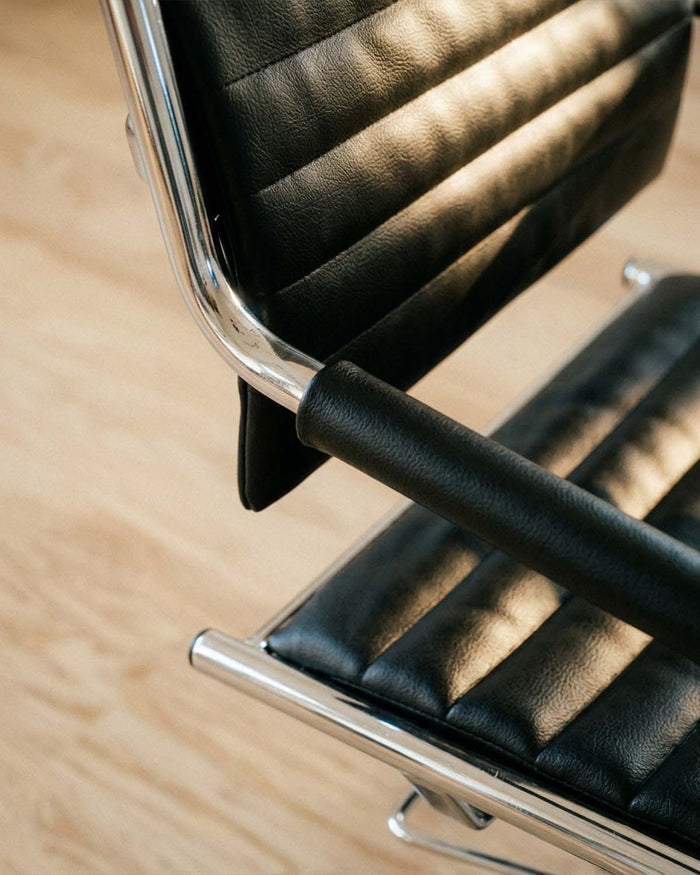
How to choose an ergonomic styling chair
Good ergonomics cost more on paper, but poor ergonomics cost more in reality. Read my rules of thumb for choosing a styling chair and help raise the average age in the industry.
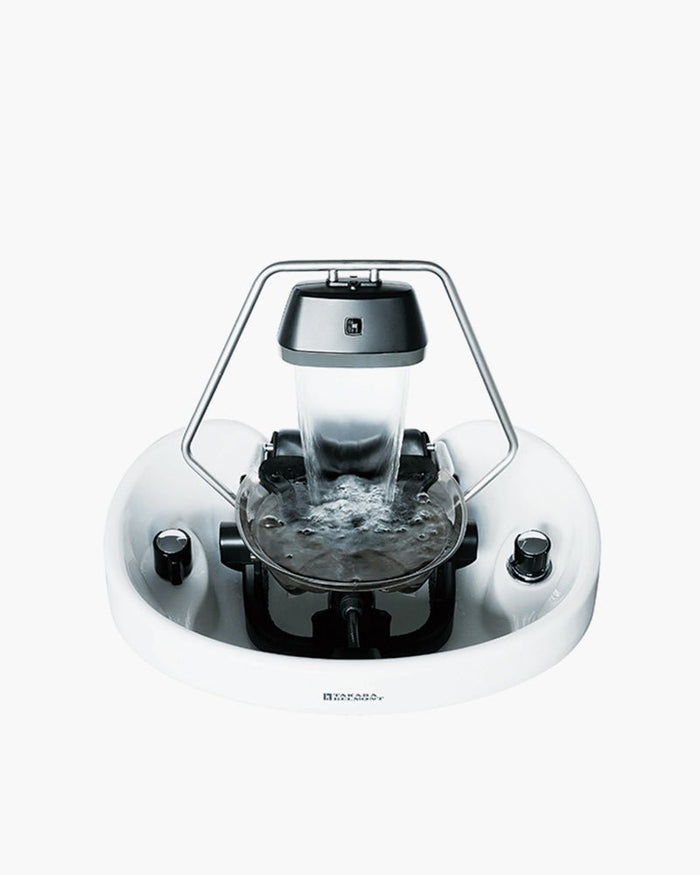
Head Spa: questions and answers
Is Head Spa a protected title? Why does the certification exist, and how do you get started? Answers to the most frequently asked questions about Head Spa.
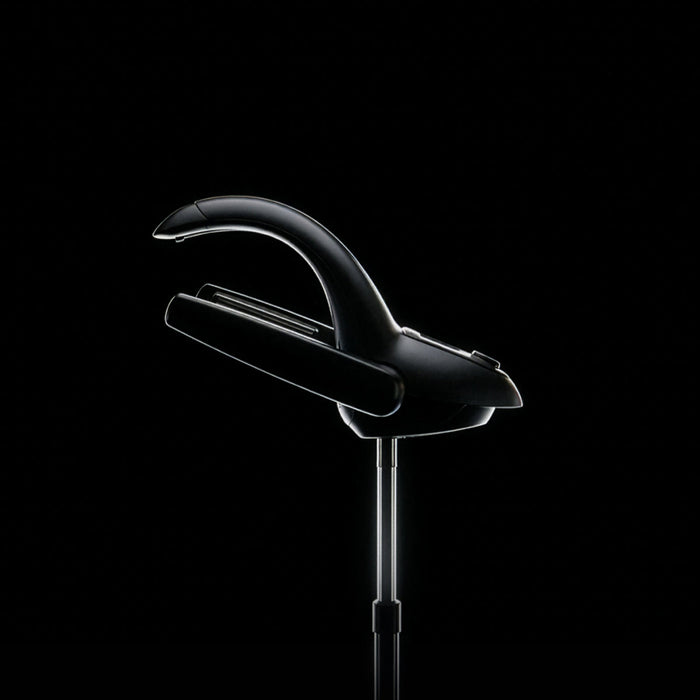
How to choose the right hair processor for your salon
The hood dryer is not radioactive. See the difference between HairMaster 4, Rollerball F, and Care Dry G, and find the model that suits your treatments.

Barber chairs in three price ranges: how to choose yours
From the chair that sells on looks to the iconic top models. See what you get in each of the three price ranges of barber chairs.

How to spot a counterfeit before you buy
Designs and trademarks may be legally protected, but as the buyer, you’re the one left without a warranty or certification. Here’s how to spot a copy before you pay for it.
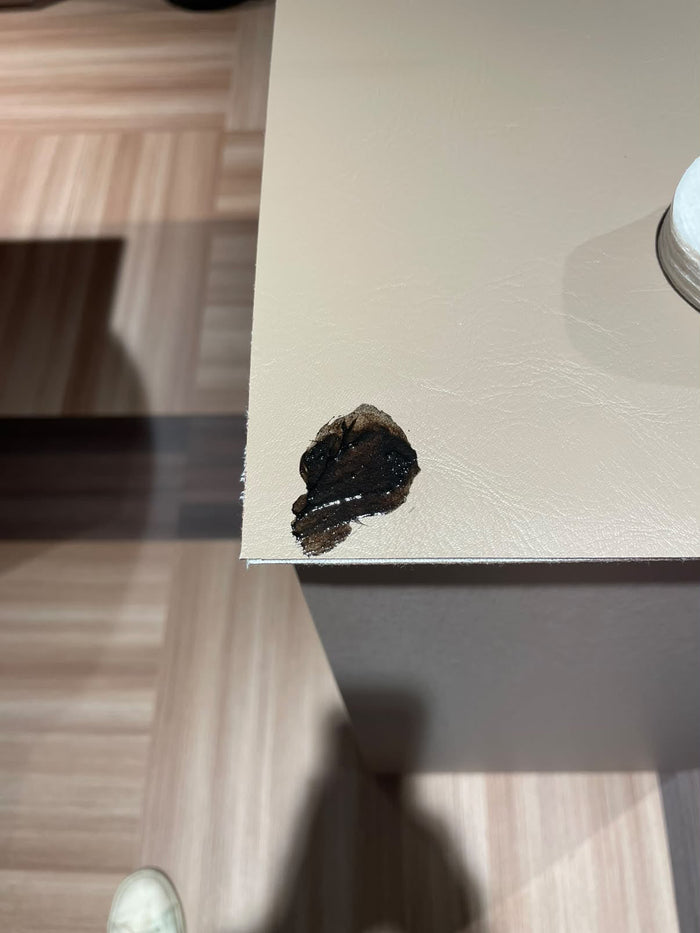
How to remove hair dye from your hairdressing chairs
Got hair dye on the upholstery? See how to remove even a dried stain with bleach, and why the color of your upholstery matters more than you think.
All the equipment a hair salon needs
The complete list of equipment, items and gear a hair salon needs, from a salon stool and mirror to lighting, extraction and towel warmers.
How to choose hotel furnishings for spas and wellness centers
Hotel furnishings require a different approach than a regular salon. See what to choose for the reception, lounge, treatment areas, and storage.
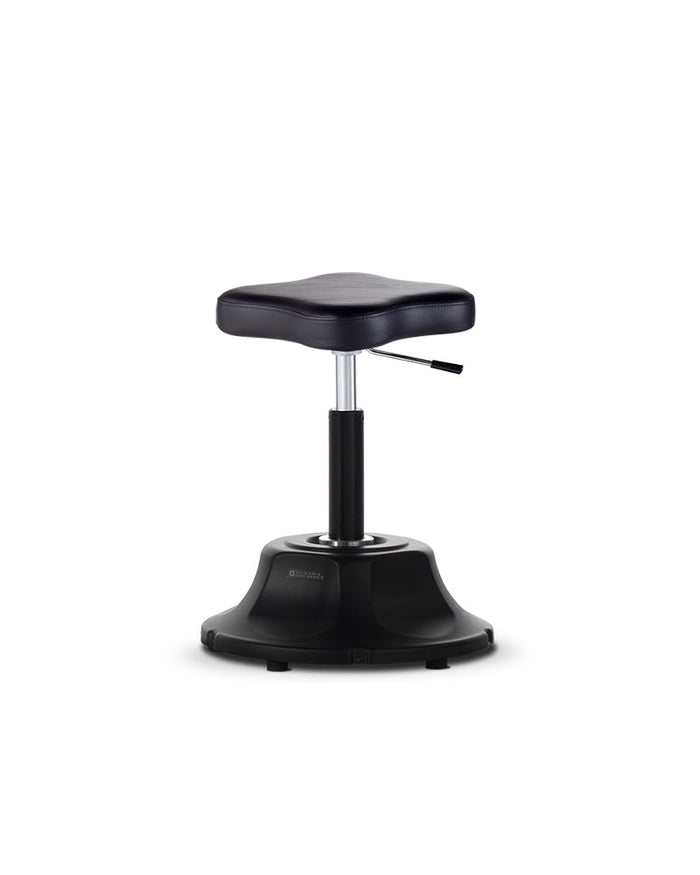
How to choose the right treatment stool
A guide to choosing the right treatment stool if you are a cosmetologist, massage therapist, tattoo artist or acupuncturist—not a hairdresser.
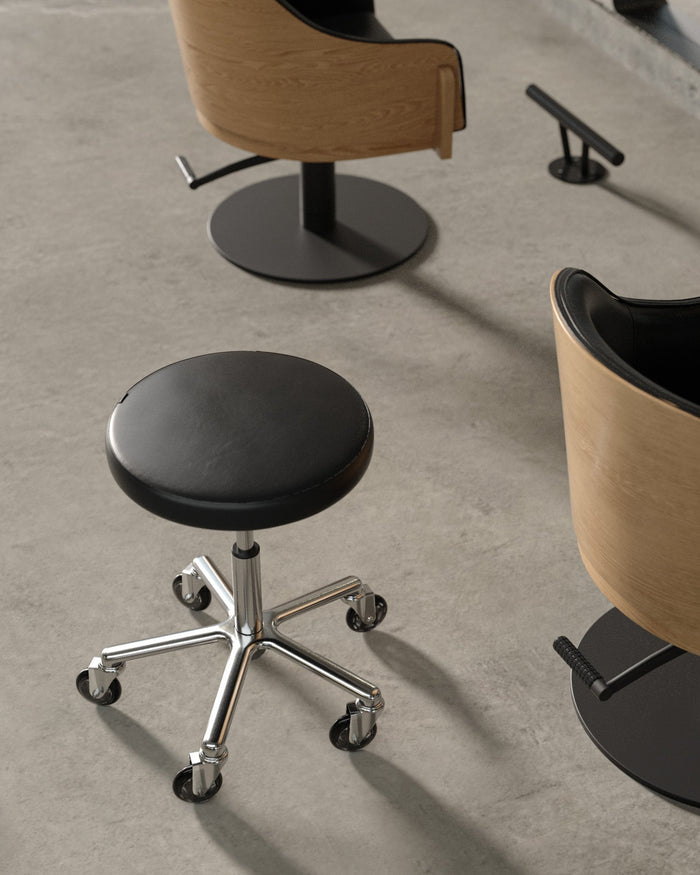
Hairdressing chairs, styling chairs and salon stools: what’s the difference?
If you’ve ever searched for “hairdressing chairs” and ended up looking at a chair for the client instead of yourself, you’re not alone. It’s one of the most common points of confusion in the industry, and we’re clearing it up once and for all. In short: there are two types of chairs in a salon. There’s the chair you sit on. And there’s the chair your client sits on. It sounds simple. But in practice, the terms are often used interchangeably, making it difficult to find the right one when you shop online.
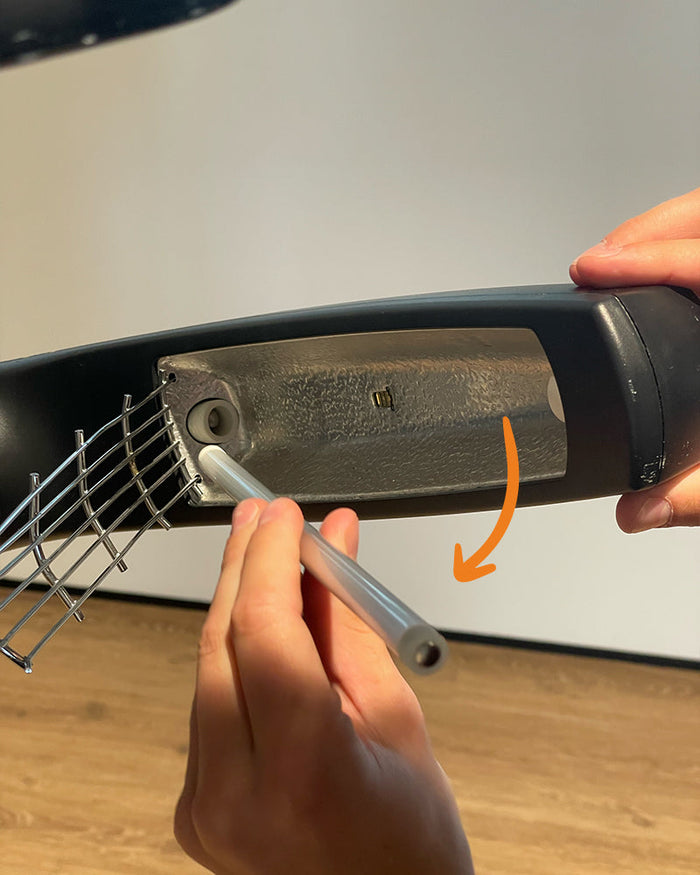
HairMaster: How to replace heating tubes
The heating tubes in your HairMaster are the parts that wear during use and can eventually burn out. Fortunately, replacing them is easy. Safety first: Turn off your HairMaster, unplug it, and let the head cool down completely. The heating tube is made of glass, so handle it carefully.