What does a hairdresser earn?


How much does a hairdresser earn per month?
A hairdresser typically earns between DKK 17,000 and 23,000 gross per month at the start of their career. Salary depends on experience, place of employment and any commission, which can vary considerably depending on the salon’s customer base. Experienced, qualified hairdressers typically earn around DKK 29,000 gross per month, while wigmakers are closer to DKK 25,000.
How much does a hairdresser earn per hour?
The minimum wage for qualified hairdressers is around DKK 154–157 per hour, depending on whether you are employed full-time or part-time. Always check the current collective agreement, as rates are adjusted regularly. Apprentice wages vary according to the stage of training, and several salons offer additional commission to those who have built up a regular clientele.
What does a newly qualified hairdresser earn?
As a newly qualified hairdresser, you typically start at around DKK 130 per hour, plus any commission on product sales, depending on the salon. Your earnings increase as you gain experience and build a loyal clientele. It is rarely the starting salary that determines whether the profession pays off in the long term.
Is being a hairdresser a good job?
Most people I speak to say yes, and it is not just politeness. Creative freedom and daily contact with customers carry a lot of weight, even though the work is physically demanding. For most people, the joy of seeing a customer leave with a smile outweighs the physical strain.
How are hairdressers typically paid?
Salary depends on experience, location and the size of the salon. Salons in larger cities often pay slightly more, especially when there is commission on sales. If you run your own salon, your earnings depend on your customer base and operating costs. This can provide a higher income, but also much greater fluctuations from month to month.
What is the apprentice wage for a hairdresser?
Apprentice wages typically increase for each year of training you complete. However, what you actually gain from the apprenticeship is rarely just the payslip. The experience and network you build along the way are what matter most for your future earnings. If you are considering the training itself, we have gathered the 4 pathways into hairdressing training here.
How many hours does a hairdresser work?
Typically between 37 and 40 hours a week, but this varies depending on the salon’s opening hours. Many salons have evening and weekend shifts, especially if you want to build up a regular clientele more quickly.
How much does hairdressing training cost?
The training itself is a vocational education, so most costs are covered. You typically have to pay for your own scissors, combs and styling tools, and most hairdressers see this as an investment in a career that brings more job satisfaction than most other professions they could have chosen.
Final thoughts
Salary is rarely the reason people stay in the profession; it is the freedom and contact with customers. But if you one day want to run your own salon and increase your income that way, it starts with the right equipment. View our hairdressing chairs, or write to me if you would like to discuss what it takes to get started.
Related articles

Early, late or flexible opening hours? See the pros and cons of four types of opening hours, and choose the one that suits your dream clients.

Employees rarely leave a salon without a reason. Learn how to stay calm and build a salon community people want to stay in.

How to get more Google reviews as a hairdresser: make it easy for customers, ask at the right time, and avoid the mistakes Google does not allow.

How to handle no-shows professionally and what Danish law says about charging a cancellation fee.

Have you found the perfect hairdressing chairs and wash units, but would like to spread the payments over a longer period? Then financing may be exactly the right solution for you. However, many hairdressers are unfamiliar with all the finer details, such as residual value, and how some companies advertise low monthly payments while failing to mention that a large final payment is due. In this article, you’ll get a simple explanation of the most important financing terms and what they mean for you in practical terms as a hairdresser.

As a hairdresser, you know how much good recommendations and word of mouth mean to your business. But not all clients think about how best to support you, especially if they believe they need to spend a lot of money to make a difference. In fact, they don’t need to spend anything at all! Here’s a guide you can share with your clients (on social media, in newsletters or in the salon), so they know exactly how they can help you, completely free of charge.

In an industry where many hairdressers do their utmost to give their clients a fantastic experience, it’s frustrating to see some hairdressers being deceived during the purchasing process. So how should you pay for your salon?

Should you spend money on marketing as a hairdresser? Read on to find the solution that best suits your salon.
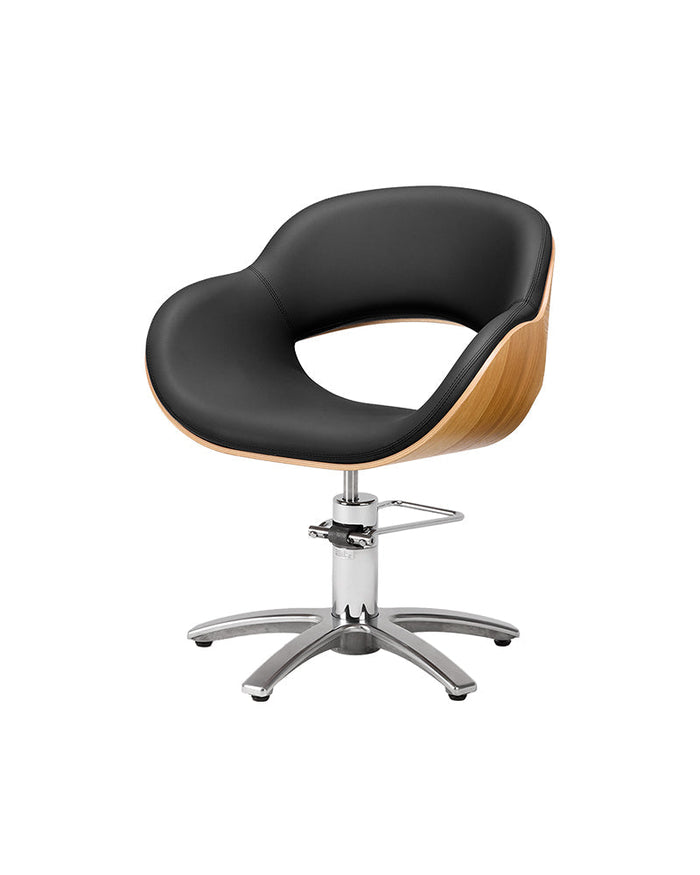
Branding is what your customers say about you when you’re not there. See how your interior design and customer experience shape your brand.

Discover the secrets to selling more with less as a hairdresser. This article explores the importance of simplifying your sales area and sending your customers home with a great experience and some wonderful products.
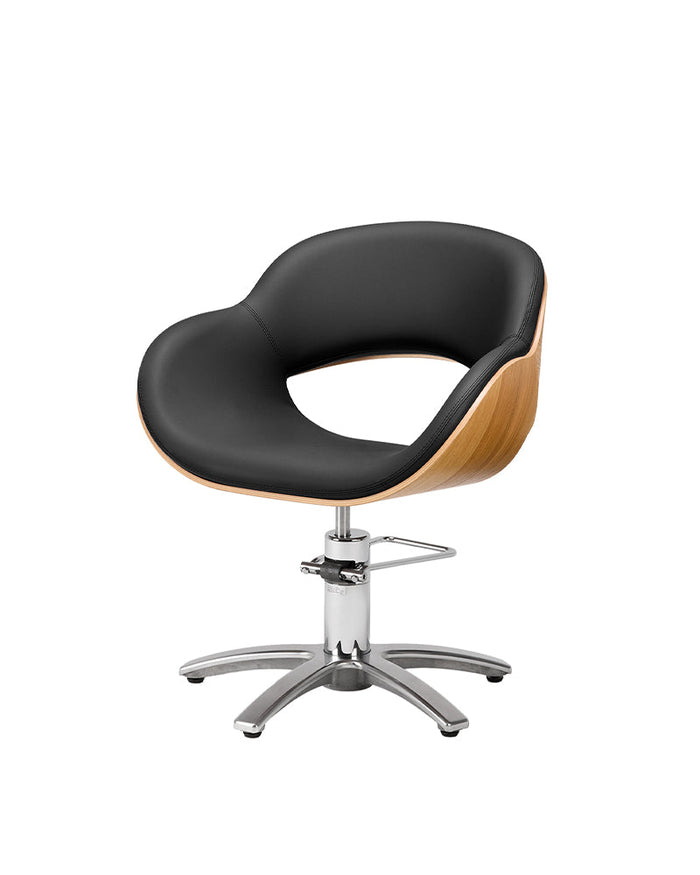
Do you have an empty workstation in your salon and also dream of buying new furniture? You have a unique opportunity that you should consider: rent out the space and use the money to buy new furniture. Read on to find out how to do it.
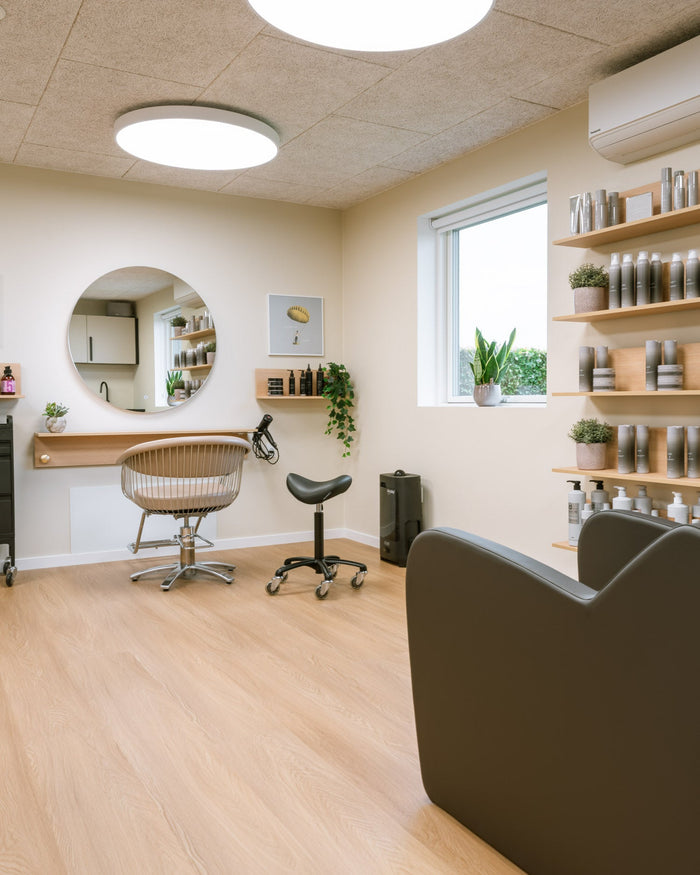
Five practical steps to make your salon Instagram-friendly, from a photo-worthy feature wall to a hashtag your clients use themselves.