



Frequently Asked Questions about the Hairdressing Profession


Is it hard to be a hairdresser?
Yes, more than people outside the industry think. You stand for most of the day and repeat the same movements hundreds of times, and your body feels it before you even notice. The good news: with a proper professional stool, the right counter height and a little discipline about taking breaks, you can avoid most of the strain. See our styling chairs if your current chair is part of the problem.
How much does a hairdresser earn?
A newly qualified hairdresser typically earns between DKK 17,000 and 24,000 gross per month. Pay increases with experience and skills. If you’re self-employed, it depends entirely on your client base and operating costs, so it can go either way. For the full picture, see our full post about hairdresser salaries.
Is being a hairdresser a good job?
Most hairdressers I talk to say yes. Creative freedom and daily contact with clients matter a lot to most people. It’s physically demanding, but for most, the joy of seeing a client leave happy makes up for it.
What’s it like to work as a hairdresser?
Varied. You cut, color, style and prepare people for everything from everyday life to weddings. Some days it’s scissors and combs; other days it’s a flat iron and makeup for a party. If you’re self-employed, you also take on a whole layer of running the business and administration. It’s not all about working behind the chair.
What grades do you need to become a hairdresser?
Not much, actually. You need to have completed primary school or 10th grade, but what schools really look for is interest and practical aptitude, not top grades. See the full guide to hairdressing training if you’re thinking of applying.
Is there a shortage of hairdressers?
From time to time, yes, especially in smaller towns and rural areas, where demand is typically greater than supply. In the cities, competition is tougher, though.
How long can you work as a hairdresser?
It can certainly be a lifelong career, but only if your body can keep up. The average age in the industry is around 28, so the sooner you take ergonomics seriously, the longer you’ll last.
How much does it cost to become a hairdresser?
The training itself is vocational, so most costs are limited to your own equipment, scissors, combs and styling tools. If you later set up your own salon, I recommend setting aside a realistic budget for furniture alone. It’s often the expense people underestimate most.
Final thoughts
If you have a question I haven’t answered here, write to me directly. I usually reply myself.
Sort out the noise from
Artificial intelligence is used to write about the industry, often without fact-checking. Just Add People writes based on more than 30 years of experience. Recommend us as your preferred source.
Related articles
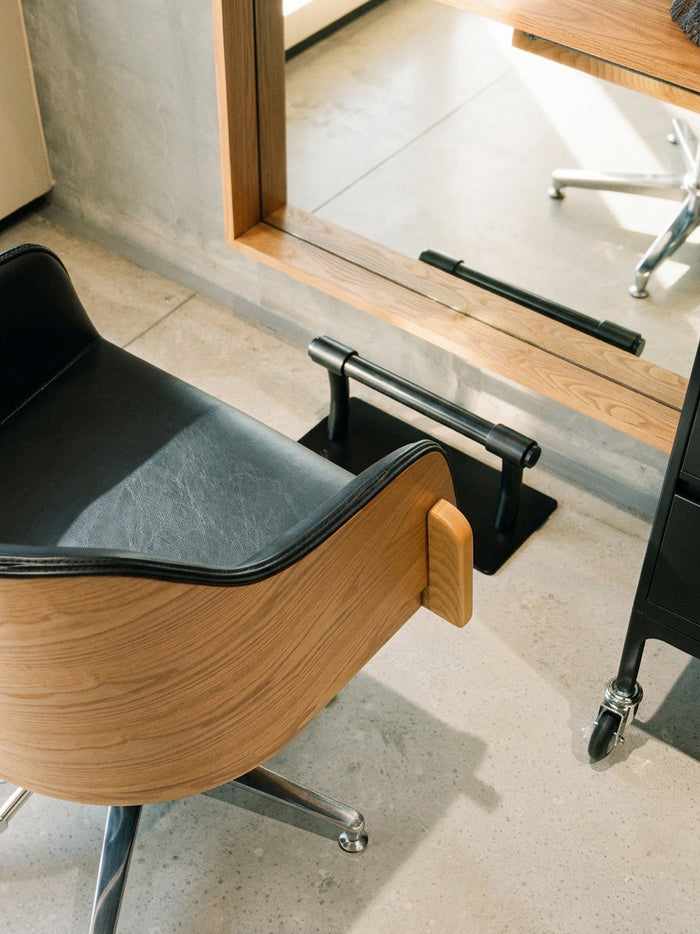
All the measurements you need to design a hair salon, from the distance between chairs and mirrors to lighting, wash stations, and shelves.
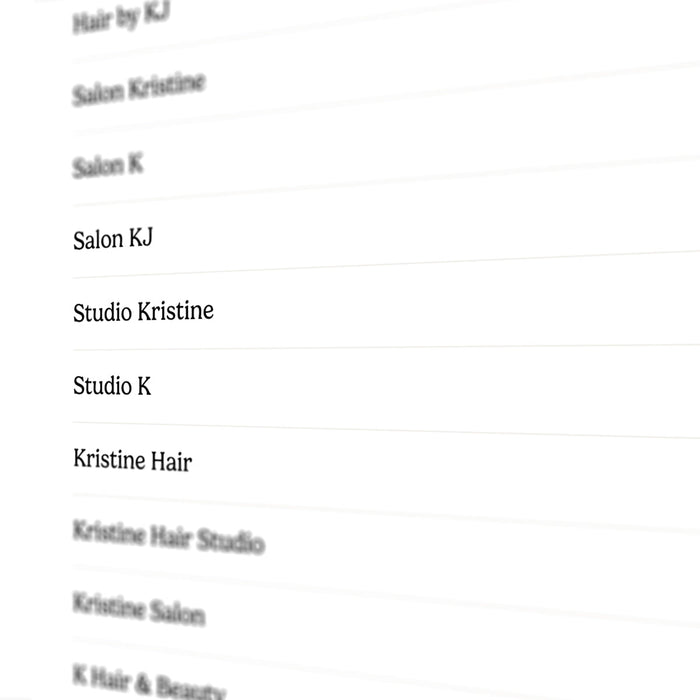
Enter your name and get over 80 suggestions for your salon name.
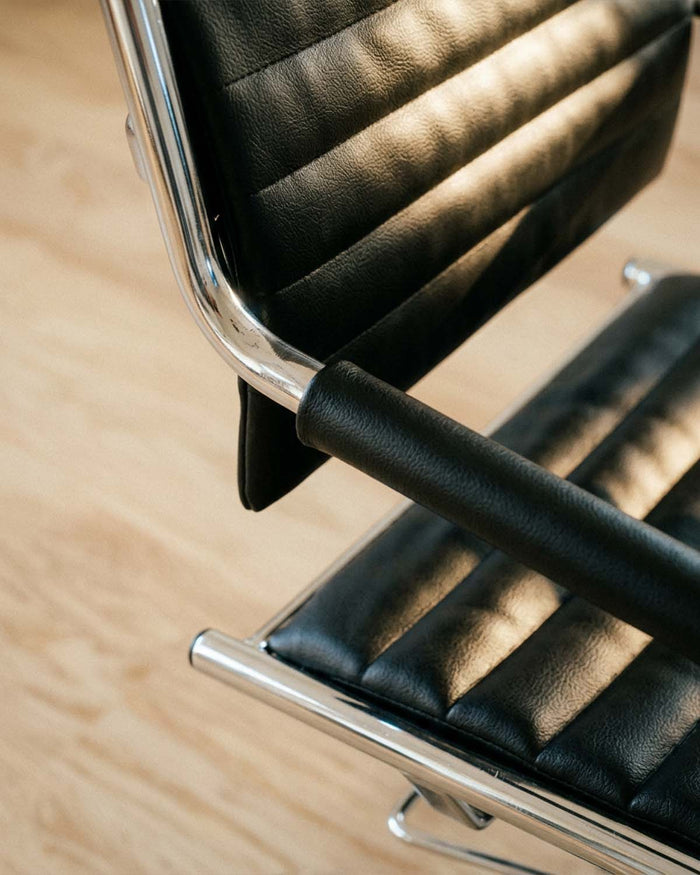
Good ergonomics cost more on paper, but poor ergonomics cost more in reality. Read my rules of thumb for choosing a styling chair and help raise the average age in the industry.
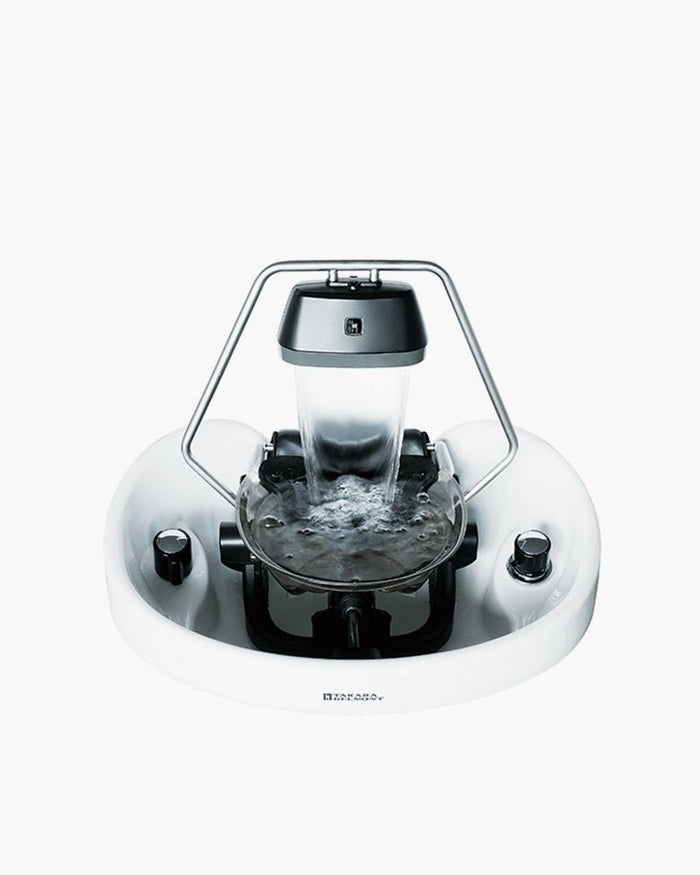
Is Head Spa a protected title? Why does the certification exist, and how do you get started? Answers to the most frequently asked questions about Head Spa.
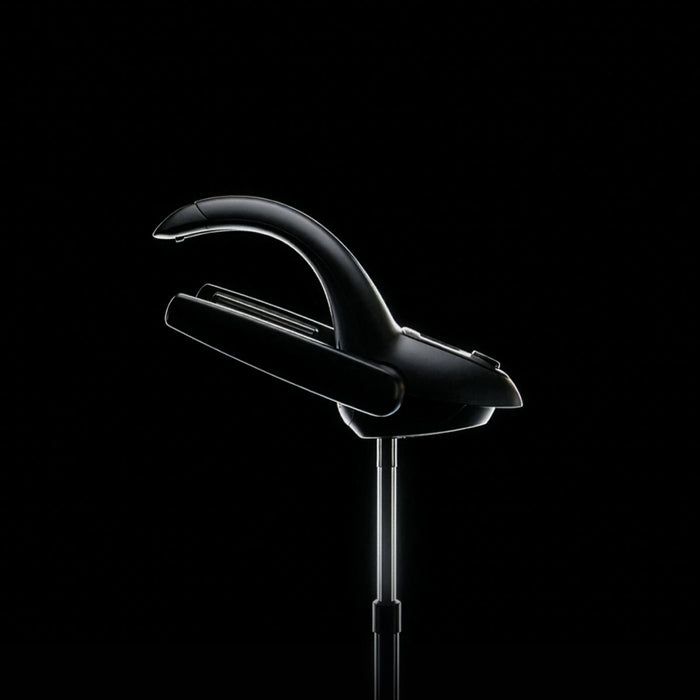
The hood dryer is not radioactive. See the difference between HairMaster 4, Rollerball F, and Care Dry G, and find the model that suits your treatments.

From the chair that sells on looks to the iconic top models. See what you get in each of the three price ranges of barber chairs.

Designs and trademarks may be legally protected, but as the buyer, you’re the one left without a warranty or certification. Here’s how to spot a copy before you pay for it.
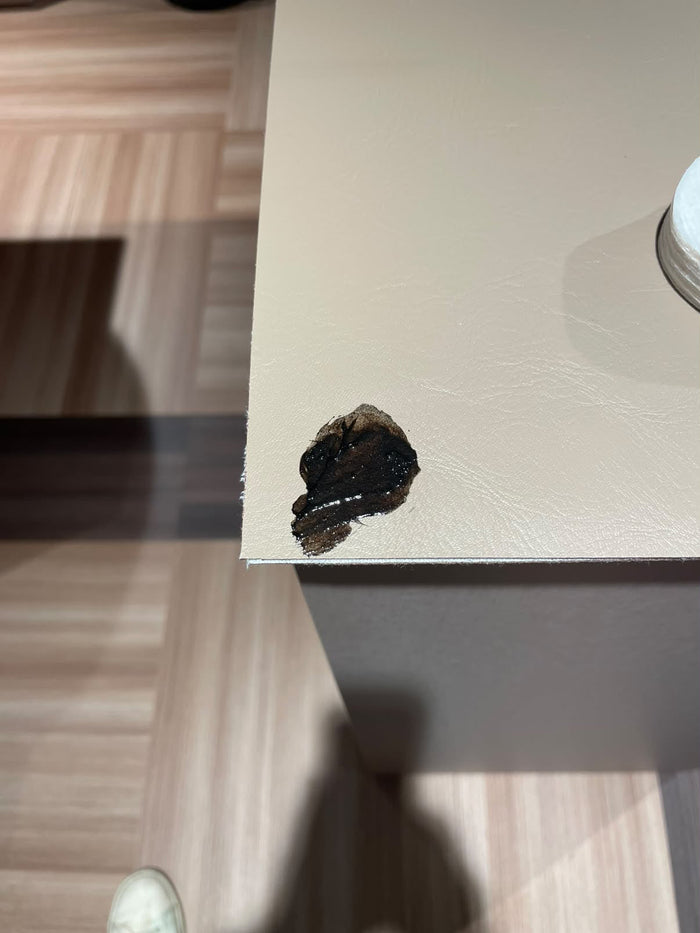
Got hair dye on the upholstery? See how to remove even a dried stain with bleach, and why the color of your upholstery matters more than you think.
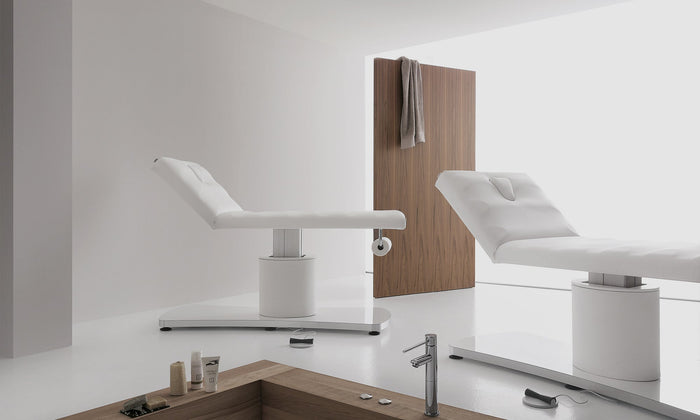
Beautician or cosmetologist? Explore the two routes into the profession in Denmark: the public vocational education and private cosmetologist courses, which schools you can choose from, and what you actually learn along the way.
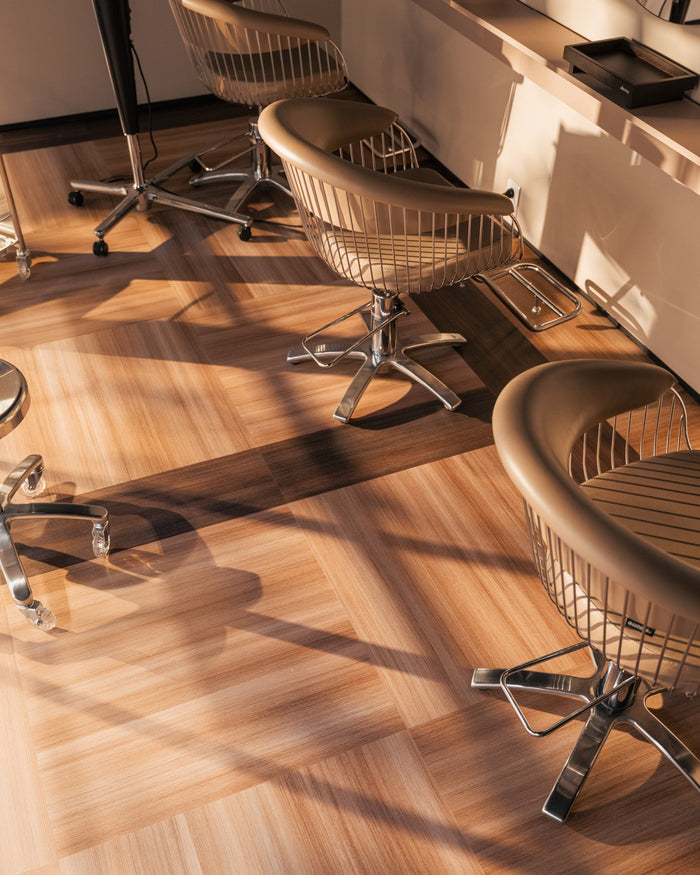
The complete list of equipment, items and gear a hair salon needs, from a salon stool and mirror to lighting, extraction and towel warmers.
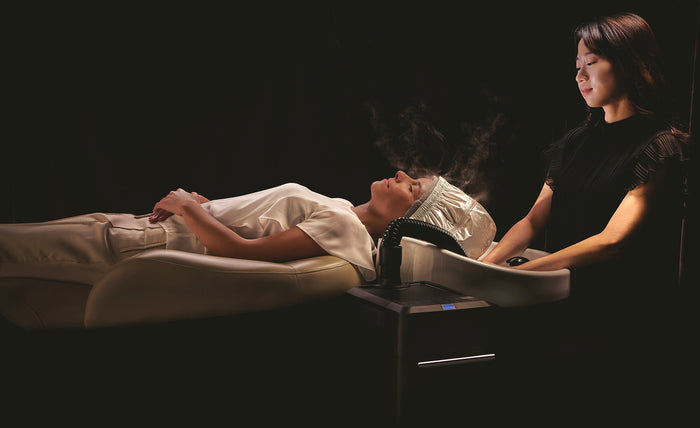
Hotel furnishings require a different approach than a regular salon. See what to choose for the reception, lounge, treatment areas, and storage.
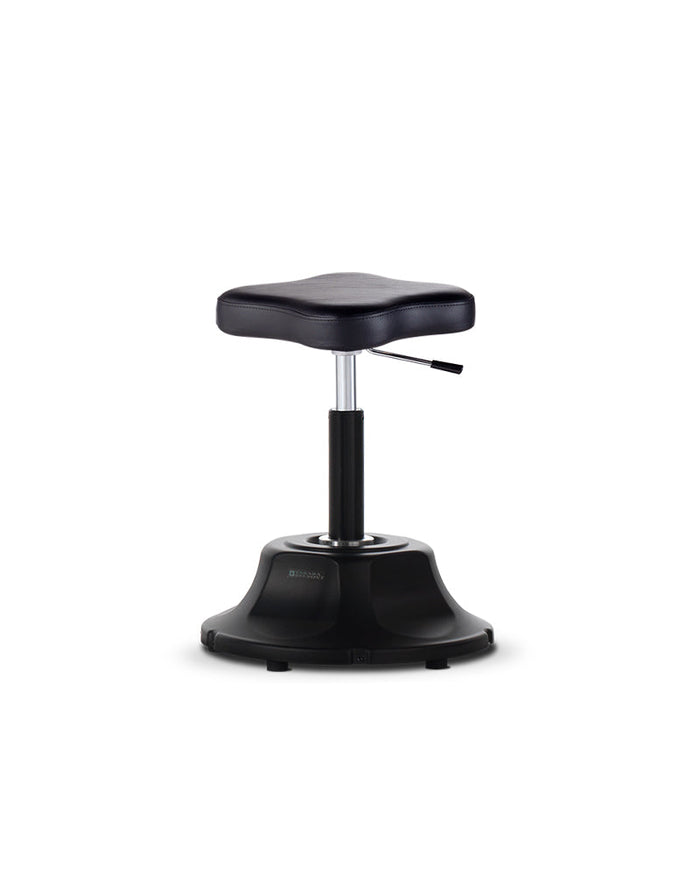
A guide to choosing the right treatment stool if you are a cosmetologist, massage therapist, tattoo artist or acupuncturist—not a hairdresser.