Autumn holiday: Orders will be shipped on the 19th.
Vidal Sassoon: The Man Behind the Iconic Bauhaus Cut
The story of Vidal Sassoon: the Bauhaus cut, the five-point cut, Mia Farrow’s famous pixie cut, and the legacy that still shapes the hairdressing profession today.


04.12.2023
Rasmus Østergaard
The Man Behind the Easiest Hairstyle in the World
Vidal Sassoon was born in London in 1928 and grew up in modest circumstances, far removed from the icon he would later become. But his craftsmanship and architectural eye for form made him one of the most influential hairdressers of all time, and one of the first to become a true public figure in his own profession.
The Bauhaus Cut
Sassoon’s most iconic contribution is the so-called “Bauhaus” cut, directly inspired by the German school of architecture of the same name. The cut was geometric and structured, almost architectural in its construction, and marked a break with the heavy, elaborate hairstyles of the time.
The Five-Point Cut and the Geometric Bob
His most famous creation was probably the five-point cut from the 1960s, a style characterised by sharp, symmetrical lines that required great technical skill to execute. The geometric bob is another of his signature hairstyles, and both became symbols of a decade determined to break with the heavy and formal. They still require precision to master and continue to be used as references in the profession today.
Wash and Wear
He also launched the concept of “wash and wear”: hairstyles that did not require hours in front of the mirror every morning. Instead, he designed cuts that fell naturally into place after washing, adapted to each client’s face shape rather than a single standard template. It sounds obvious today, but at the time it challenged the entire way the hairdressing profession operated, offering a freedom many of his female clients had never experienced before.
Celebrities and a Name That Travelled the World
Sassoon’s work with figures such as Mary Quant and Twiggy helped put his name on the map, but it was probably Mia Farrow’s pixie cut for the 1968 film Rosemary's Baby that truly made him known beyond the hairdressing industry itself. The cut became one of the most talked-about in film history, and Sassoon was recognised as the artist behind it.
From Scissors to School to Brand
Sassoon understood early on that his techniques needed to be passed on, not simply used. He founded Vidal Sassoon Academy, which still teaches his philosophy today, and simultaneously built a global haircare brand that made salon-quality products accessible to ordinary people at home. Few hairdressers manage to build both a school and an international product brand during a single career.
His Legacy Today
Sassoon died in 2012, but his approach—individualised cutting instead of standard solutions—lives on in virtually all modern hairdressing. It is one of those stories I personally think is worth knowing if you work in the profession: it is rarely the most expensive equipment that creates an icon; it is an idea that hits the mark at the right time.
Quality That Matches the Vision
Schools and salons at Sassoon’s level rarely compromise on equipment, and Takara Belmont is one of the brands many of the world’s most recognised salons choose when quality and precision need to match the craftsmanship. If you want to design your own salon in the same spirit—minimalist, functional and precise—you’ll find mirrors, salon stools and work tables with us to match the aesthetic. Curious about what it could do for your own salon? Contact me, or visit our showroom and see it for yourself.
Related products
- -17%


Stella - black saddle stool with black cover and roller wheels
€343,95
€415,95
- -20%


Rolio - black salon stool with backrest and roller wheels
€286,95
€358,95


- -13%


Studio 3 - Black trolley with 3 drawers and pull-out shelf
€698,95
€805,95


- -35%

Round Black - Black salon stool with black cross base
€128,95
€200,95
Sort out the noise from
Artificial intelligence is used to write about the industry, often without fact-checking. Just Add People writes based on more than 30 years of experience. Recommend us as your preferred source.
Related articles

Something has happened in Viborg
The showroom has been updated with new displays, more products, and a bar you’ll want to linger at. Read more and see it for yourself.
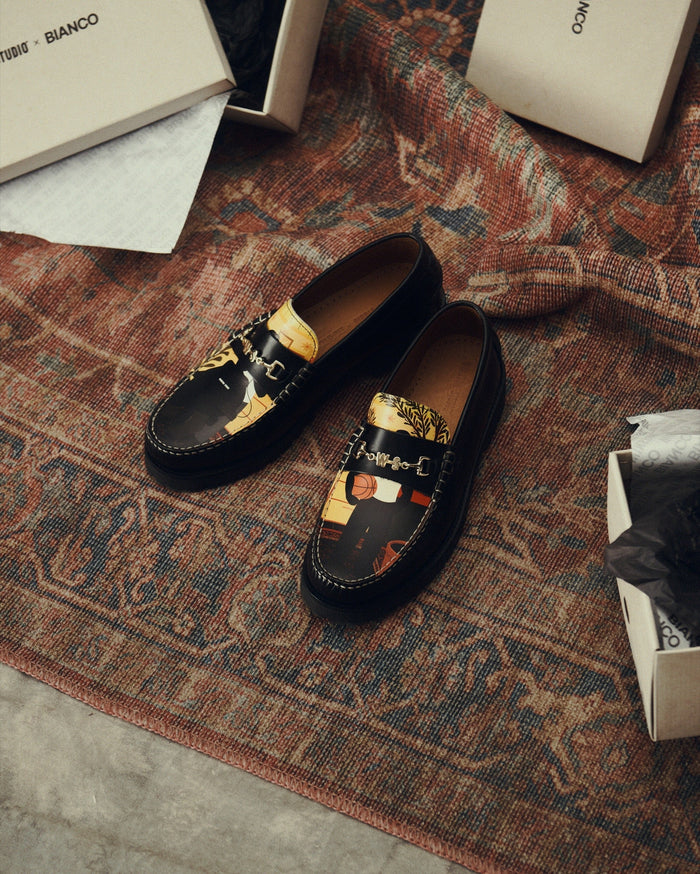
Winston Studio is creating its own loafer together with Bianco
Winston Studio and Bianco have created a loafer and show what one can do when thinking beyond the industry's boundaries.
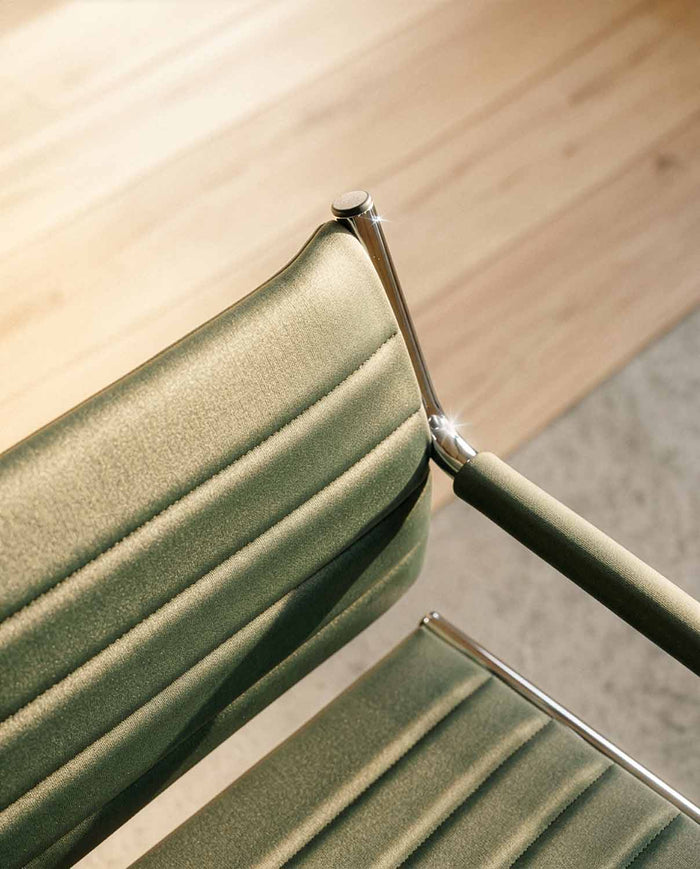
SuperTex: the first new upholstery for the industry since the 1970s
SuperTex is the first new upholstery material for the industry since the 1970s: faux leather with a patented surface that feels like fabric.
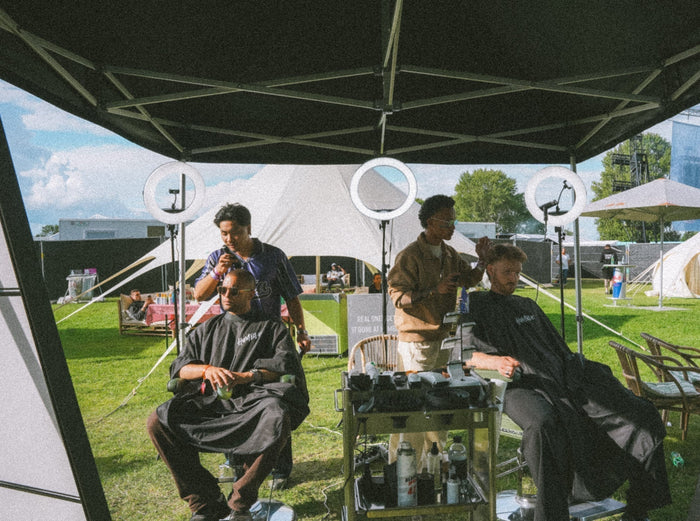
Humble Barbers keeps this summer’s artists sharp
In an industry where many follow the same path, Humble Barbers sets up pop-ups at summer festivals, keeping friends, crew, and artists looking sharp.

How to find inspiration for your salon online
Pinterest, Instagram, Facebook groups, LinkedIn and TikTok. See where you can find inspiration for interior design and styling.
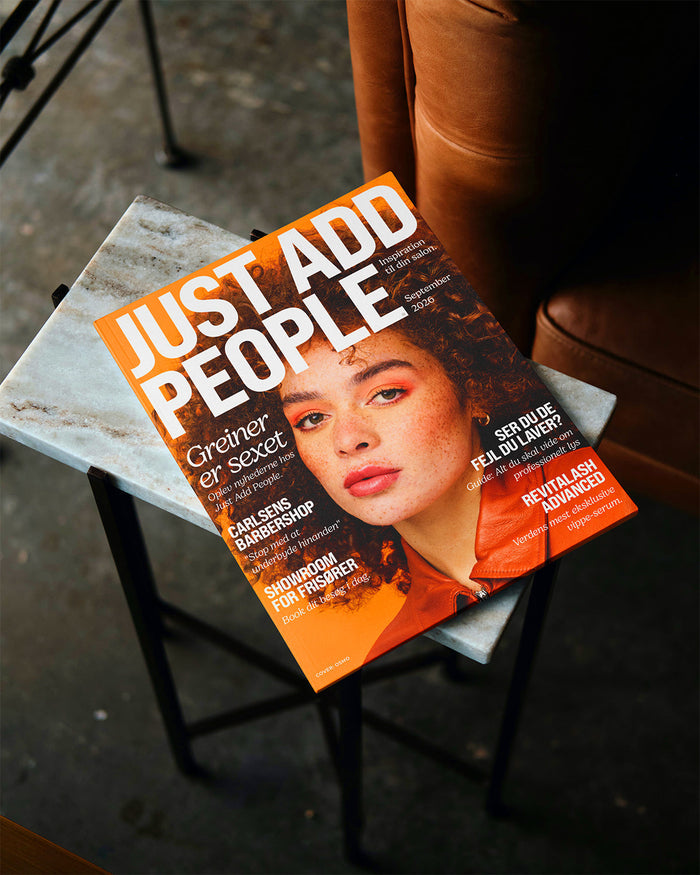
New edition of Just Add People
The latest edition of Just Add People has arrived. Enjoy reading exciting stories, learn more about interior design, and discover how you can earn more money in your salon. Completely free.